

















CommonSpace (11 May 2026)
Vasif Huseynov
The spring of 2026 has produced one of the strangest split-screen moments in EU foreign policy. On 30 April, the European Parliament adopted yet another resolution sharply critical of Azerbaijan, embedded inside a text on “supporting democratic resilience in Armenia.” Within forty-eight hours, the Milli Majlis of Azerbajan suspended cooperation with the European Parliament across all areas, withdrew from the EU–Azerbaijan Parliamentary Cooperation Committee, and initiated procedures to leave the Euronest Parliamentary Assembly. By President Ilham Aliyev’s count, this is the fourteenth such resolution adopted against Azerbaijan since May 2021 — a record he described as “a kind of obsession.”
And yet, in the same weeks, an entirely different European policy was unfolding in Baku. On 11 March, European Council President António Costa visited Azerbaijan, calling it “a partner of strategic importance to the EU” and announcing work on a new framework agreement that would broaden cooperation beyond energy into security, defence, digital, and transport. On 21–23 April, Latvian President Edgars Rinkēvičs paid an official visit, signing fresh cooperation documents and reaffirming the Latvia–Azerbaijan strategic partnership. From 26 to 28 April, Czech Prime Minister Andrej Babiš chose Azerbaijan as his first destination outside the EU during his current term, leaving Gabala with the contours of a deal under which the Czech Republic plans to import roughly 2 billion cubic metres of Azerbaijani gas a year. On 25 April, in his first wartime visit to the South Caucasus, Ukrainian President Volodymyr Zelensky landed in Gabala and signed six bilateral agreements, before publicly proposing Azerbaijan as a venue for trilateral talks with Russia and the United States. And on 4 May, Italian Prime Minister Giorgia Meloni — the first Italian premier to visit Baku in thirteen years — described Azerbaijani gas and oil as “decisive for the energy security” of Italy and announced “permanent political coordination” between the two governments. The next day, EU High Representative Kaja Kallas arrived in Baku to advance what she called “a more structured partnership,” noting that Azerbaijan is “a valued and reliable energy partner” and that connectivity between the EU, the South Caucasus, and Central Asia is “in our shared strategic interest.”
No comments yet.
-
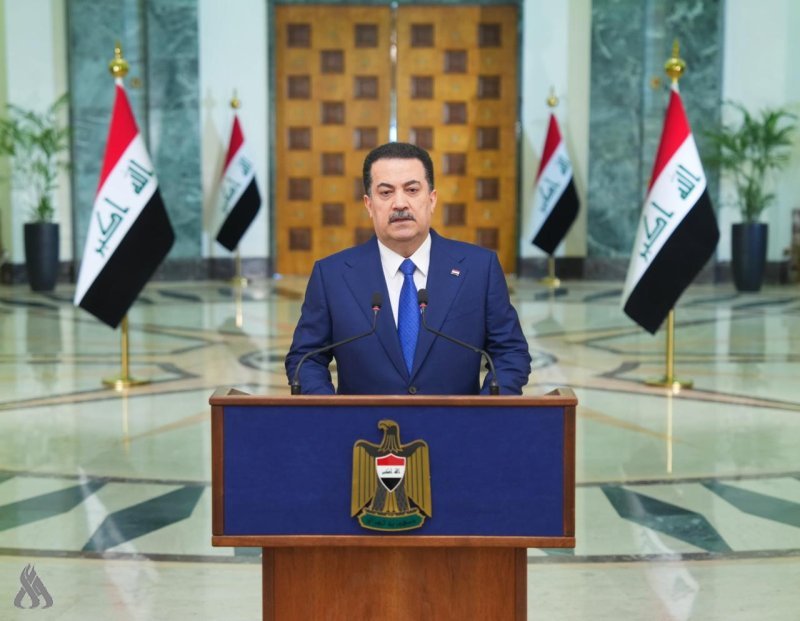 IRAQI PRIME MINISTER: WE WILL SUPPORT THE NEW GOVERNMENT IN ALL DECISIONS IT MAKES IN THE PUBLIC INTEREST
Iraq
14.05.2026
IRAQI PRIME MINISTER: WE WILL SUPPORT THE NEW GOVERNMENT IN ALL DECISIONS IT MAKES IN THE PUBLIC INTEREST
Iraq
14.05.2026
- ARMENIA AMONG STATES NAMED BY MOSCOW IN EXTRADITION RISK ADVISORY The Caucasus and Turkish-Armenian Relations 14.05.2026
-
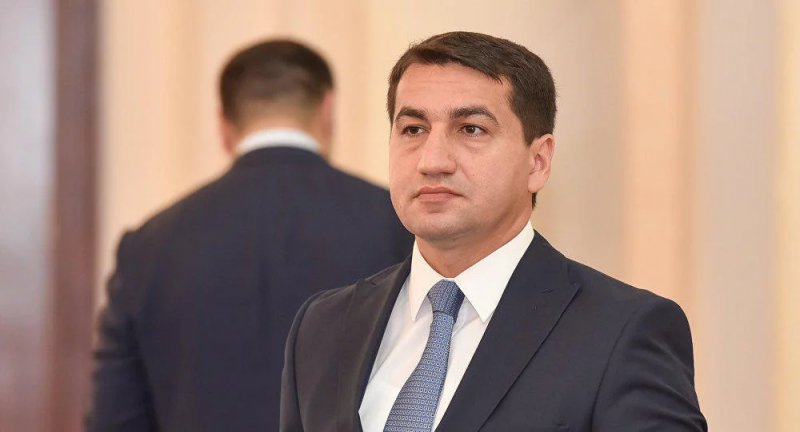 HIKMAT HAJIYEV: ENGAGEMENT WITH ARMENIA REFLECTS AZERBAIJAN’S GOODWILL
The Caucasus and Turkish-Armenian Relations
14.05.2026
HIKMAT HAJIYEV: ENGAGEMENT WITH ARMENIA REFLECTS AZERBAIJAN’S GOODWILL
The Caucasus and Turkish-Armenian Relations
14.05.2026
-
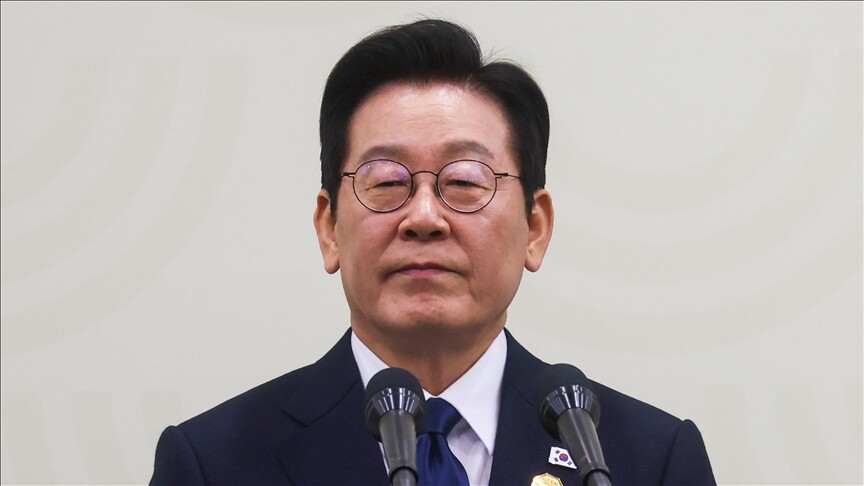 SOUTH KOREAN PRESIDENT HOLDS TALKS WITH SENIOR US, CHINESE OFFICIALS AHEAD OF XI-TRUMP SUMMIT
Asia - Pacific
14.05.2026
SOUTH KOREAN PRESIDENT HOLDS TALKS WITH SENIOR US, CHINESE OFFICIALS AHEAD OF XI-TRUMP SUMMIT
Asia - Pacific
14.05.2026
- TURKISH PRESIDENT ARRIVES IN KAZAKHSTAN TO ATTEND TURKIC SUMMIT Central Asia 14.05.2026
-
25.01.2016
THE ARMENIAN QUESTION - BASIC KNOWLEDGE AND DOCUMENTATION -
12.06.2024
THE TRUTH WILL OUT -
27.03.2023
RADİKAL ERMENİ UNSURLARCA GERÇEKLEŞTİRİLEN MEZALİMLER VE VANDALİZM -
17.03.2023
PATRIOTISM PERVERTED -
23.02.2023
MEN ARE LIKE THAT -
03.02.2023
BAKÜ-TİFLİS-CEYHAN BORU HATTININ YAŞANAN TARİHİ -
16.12.2022
INTERNATIONAL SCHOLARS ON THE EVENTS OF 1915 -
07.12.2022
FAKE PHOTOS AND THE ARMENIAN PROPAGANDA -
07.12.2022
ERMENİ PROPAGANDASI VE SAHTE RESİMLER -
01.01.2022
A Letter From Japan - Strategically Mum: The Silence of the Armenians -
01.01.2022
Japonya'dan Bir Mektup - Stratejik Suskunluk: Ermenilerin Sessizliği -
03.06.2020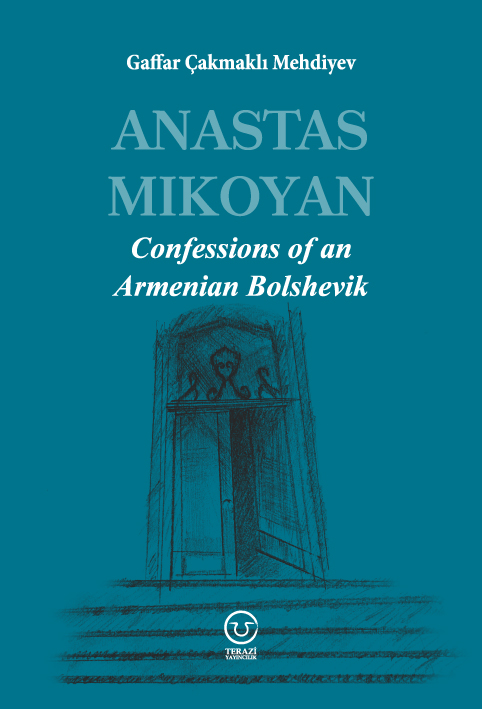
Anastas Mikoyan: Confessions of an Armenian Bolshevik -
08.04.2020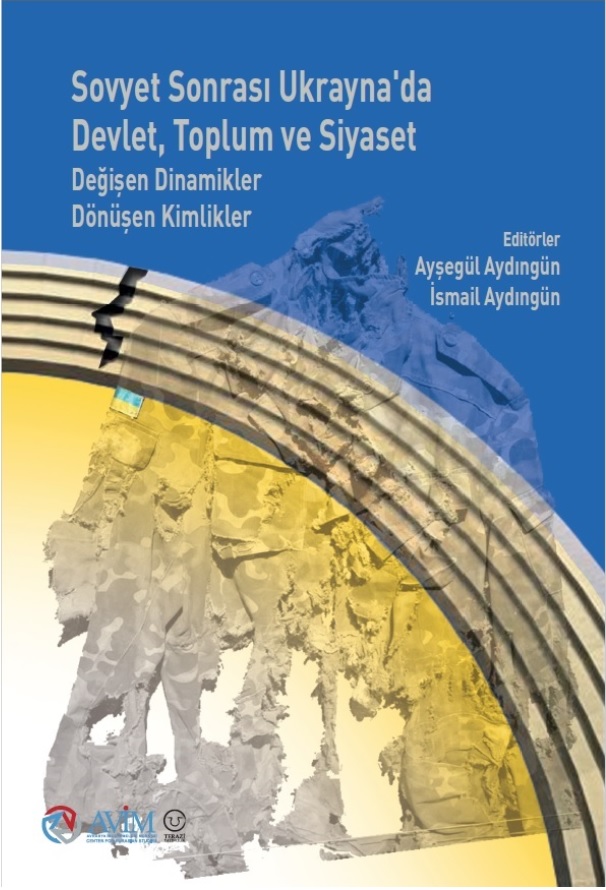
Sovyet Sonrası Ukrayna’da Devlet, Toplum ve Siyaset - Değişen Dinamikler, Dönüşen Kimlikler -
12.06.2018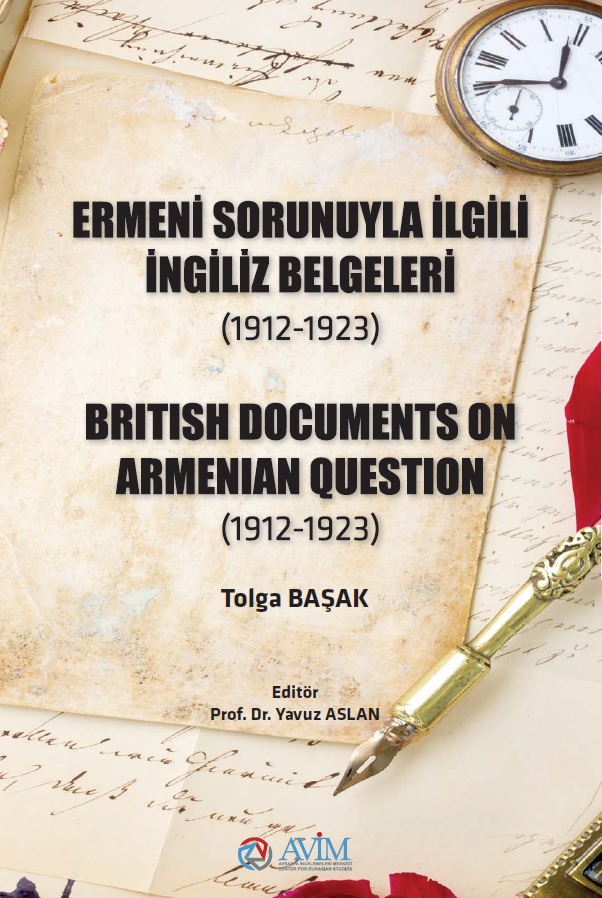
Ermeni Sorunuyla İlgili İngiliz Belgeleri (1912-1923) - British Documents on Armenian Question (1912-1923) -
02.12.2016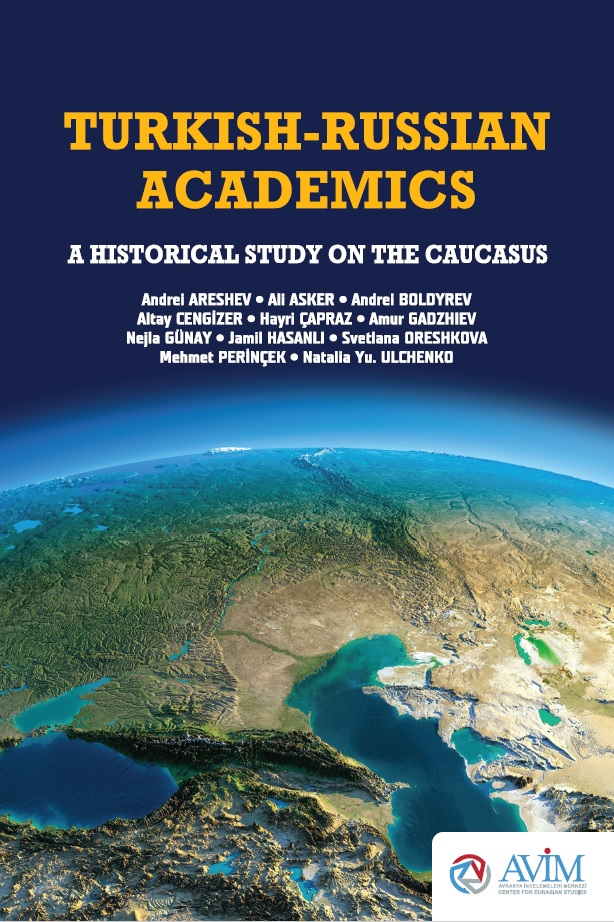
Turkish-Russian Academics: A Historical Study on the Caucasus -
01.07.2016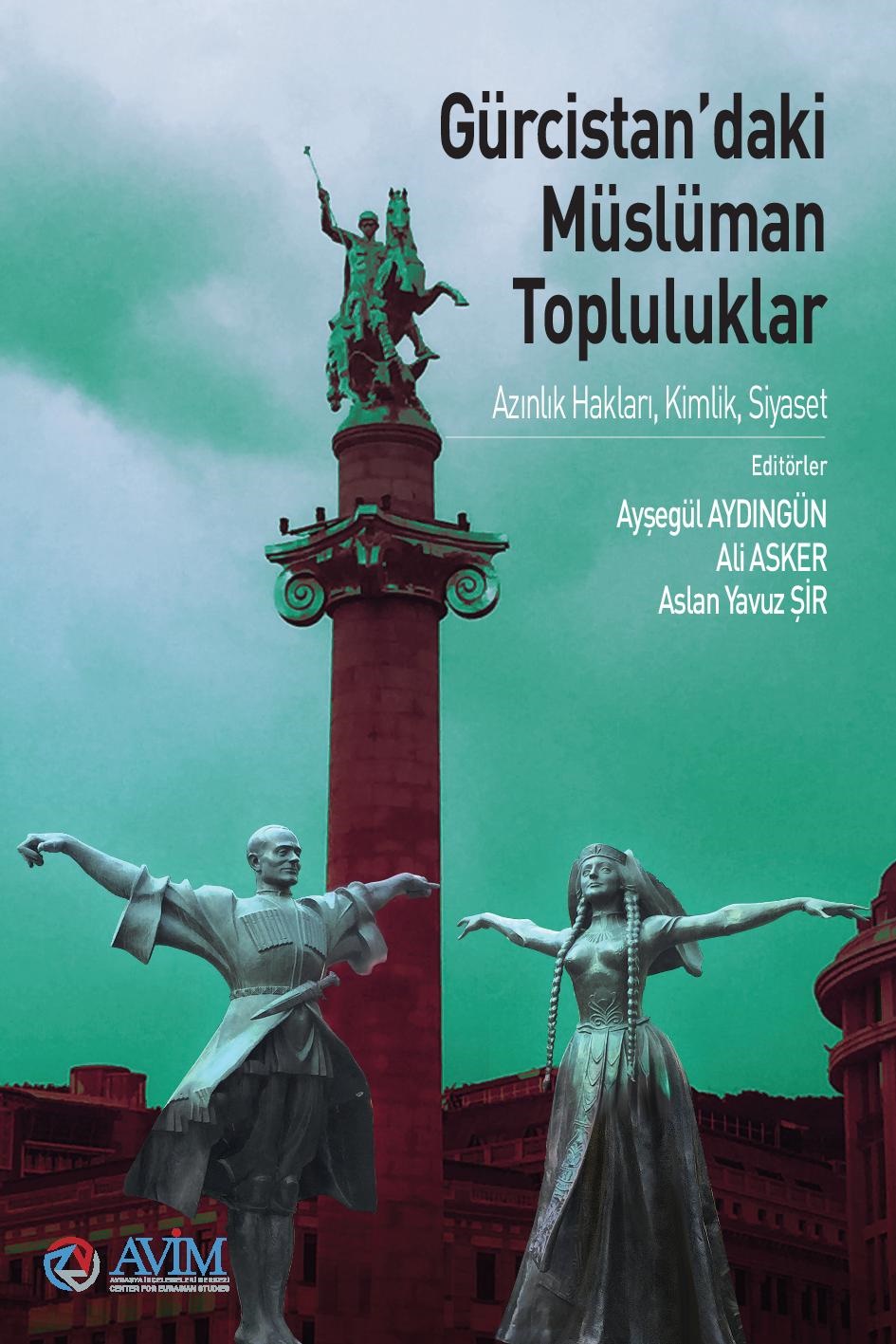
Gürcistan'daki Müslüman Topluluklar: Azınlık Hakları, Kimlik, Siyaset -
10.03.2016
Armenian Diaspora: Diaspora, State and the Imagination of the Republic of Armenia -
24.01.2016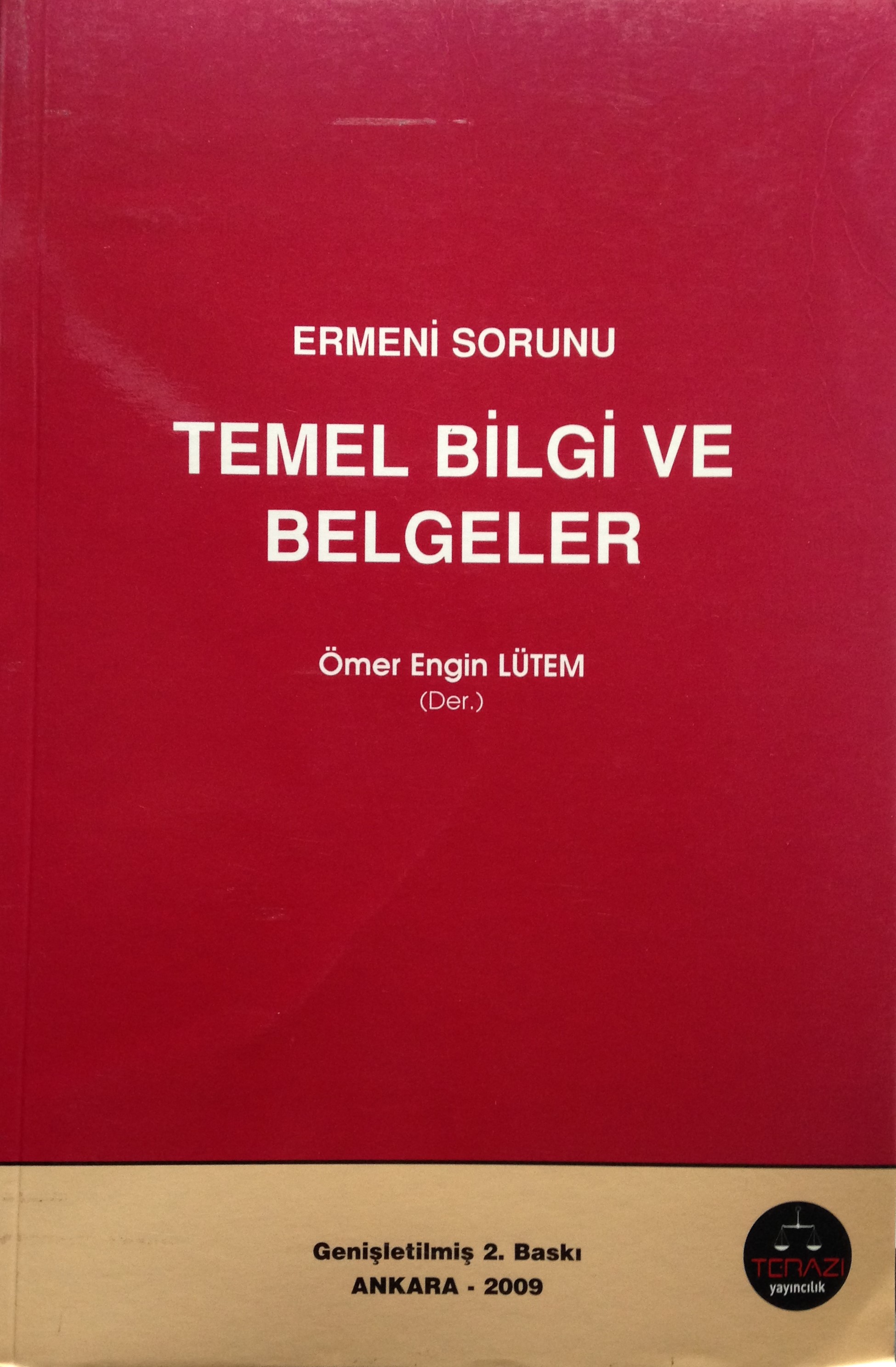
ERMENİ SORUNU - TEMEL BİLGİ VE BELGELER (2. BASKI)
-
AVİM Conference Hall 24.01.2023
CONFERENCE TITLED “HUNGARY’S PERSPECTIVES ON THE TURKIC WORLD"