


















Engelsberg Ideas (10 March 2026)
Hannah Lucinda SMITH
Two decades after [the island's southern side joined the EU], Cyprus remains a divided island, its strategic position in the eastern Mediterranean uncertain.
Cyprus(*), the latest EU member state to take over the bloc’s revolving presidency, should not, according to the rules, be a member at all. Conditions outlined in the 1990s state that all new members must have established ‘good neighbourly relations’ as a criterion of acceptance – something that has recently hampered the accession of the states of the former Yugoslavia. Yet the Republic of Cyprus, the Greek-speaking half of the divided Mediterranean island, which took over the presidency in January, was accepted into the bloc in 2004, despite its continuing territorial dispute with the Turkish-speaking north of the island. Twenty-two years on, a resolution to its long-running conflict appears to have slipped out of reach forever, to the detriment of regional peace and security, Europe’s relations with Turkey, and, most of all, the people of Cyprus.
The Green Line, which has split the island since its internecine war of 1974, runs for more than a hundred miles across the breadth of the island, cutting straight through the capital, Nicosia. To cross, you must present your passport on both sides. Its aesthetics are militaristic, with blood-red warning signs and barbed wire lining either side. [Greek] Cypriot and Turkish soldiers face each other across it (some 40,000 Turkish troops have been based in the north since Ankara sent its army into the conflict in 1974.) For Cypriots on both sides, its presence is a constant reminder of division and loss; once-mixed communities are now mono-ethnic, and many lost their homes and businesses as the population separated out. The island is scarred by abandoned mosques and churches, desecrated graveyards and the dead zone within the line itself.
(*) AVİM uses "Cyprus" as a geographic name. AVİM considers the expression "Republic of Cyprus" to mean the Greek Cypriot Administration of Southern Cyprus.
No comments yet.
-
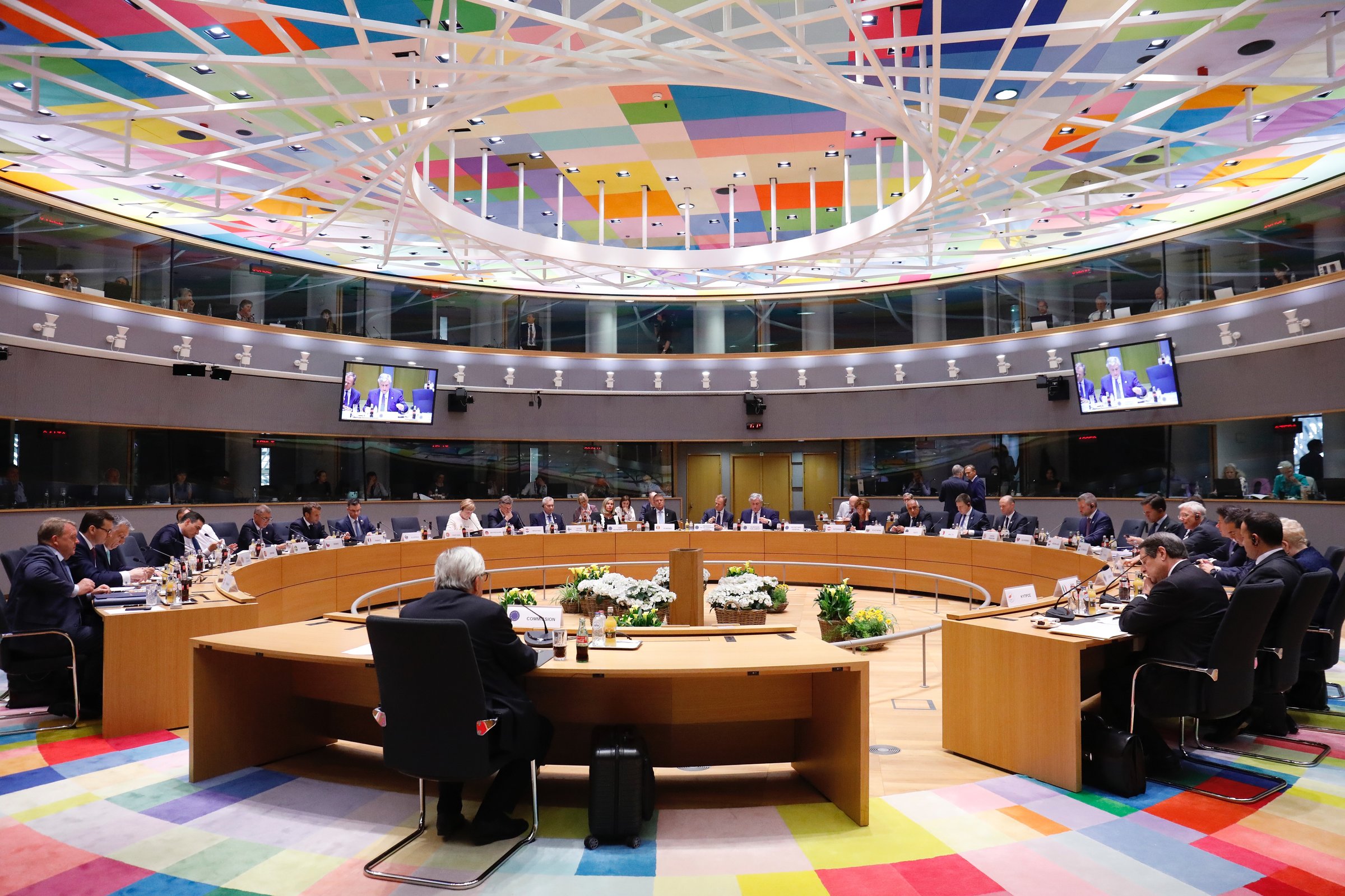 EU LEADERS PUSH TO CURB ENERGY PRICE SPIKES AMID STRAIT OF HORMUZ CRISIS
Europe - EU
11.03.2026
EU LEADERS PUSH TO CURB ENERGY PRICE SPIKES AMID STRAIT OF HORMUZ CRISIS
Europe - EU
11.03.2026
-
 IRAQ CONDEMNS ATTACKS ON DIPLOMATIC, CONSULAR MISSIONS OPERATING IN ITS TERRITORY
Iraq
11.03.2026
IRAQ CONDEMNS ATTACKS ON DIPLOMATIC, CONSULAR MISSIONS OPERATING IN ITS TERRITORY
Iraq
11.03.2026
-
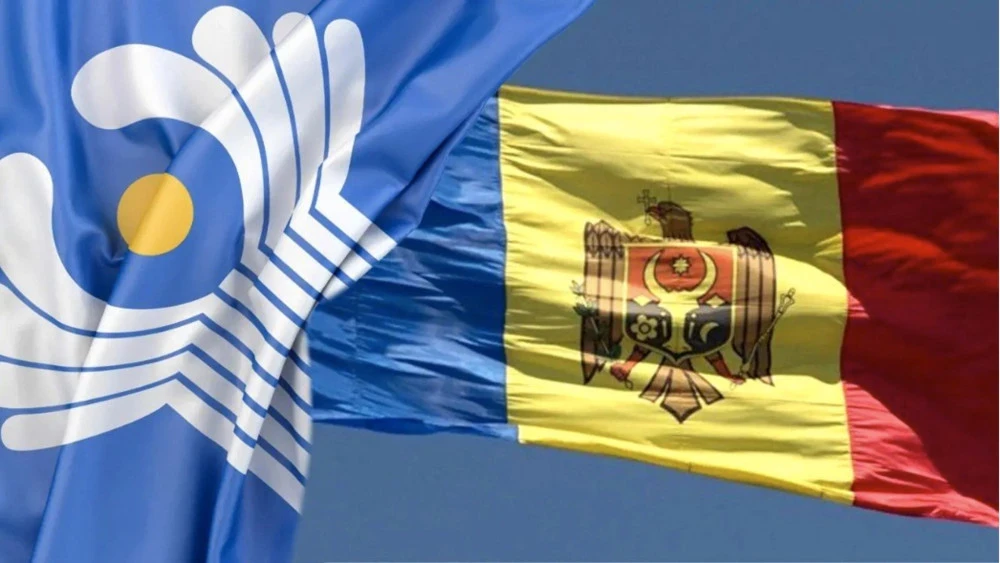 THE GOVERNMENT OF MOLDOVA APPROVED THE COUNTRY'S EXIT FROM THE CIS
The Balkans
11.03.2026
THE GOVERNMENT OF MOLDOVA APPROVED THE COUNTRY'S EXIT FROM THE CIS
The Balkans
11.03.2026
- US, ARMENIA SET TO SIGN CIVIL NUCLEAR COOPERATION AGREEMENT The Caucasus and Turkish-Armenian Relations 11.03.2026
- ARMENIA, TÜRKİYE EXPLORE DIRECT COOPERATION IN ENERGY SECTOR The Caucasus and Turkish-Armenian Relations 11.03.2026
-
25.01.2016
THE ARMENIAN QUESTION - BASIC KNOWLEDGE AND DOCUMENTATION -
12.06.2024
THE TRUTH WILL OUT -
27.03.2023
RADİKAL ERMENİ UNSURLARCA GERÇEKLEŞTİRİLEN MEZALİMLER VE VANDALİZM -
17.03.2023
PATRIOTISM PERVERTED -
23.02.2023
MEN ARE LIKE THAT -
03.02.2023
BAKÜ-TİFLİS-CEYHAN BORU HATTININ YAŞANAN TARİHİ -
16.12.2022
INTERNATIONAL SCHOLARS ON THE EVENTS OF 1915 -
07.12.2022
FAKE PHOTOS AND THE ARMENIAN PROPAGANDA -
07.12.2022
ERMENİ PROPAGANDASI VE SAHTE RESİMLER -
01.01.2022
A Letter From Japan - Strategically Mum: The Silence of the Armenians -
01.01.2022
Japonya'dan Bir Mektup - Stratejik Suskunluk: Ermenilerin Sessizliği -
03.06.2020
Anastas Mikoyan: Confessions of an Armenian Bolshevik -
08.04.2020
Sovyet Sonrası Ukrayna’da Devlet, Toplum ve Siyaset - Değişen Dinamikler, Dönüşen Kimlikler -
12.06.2018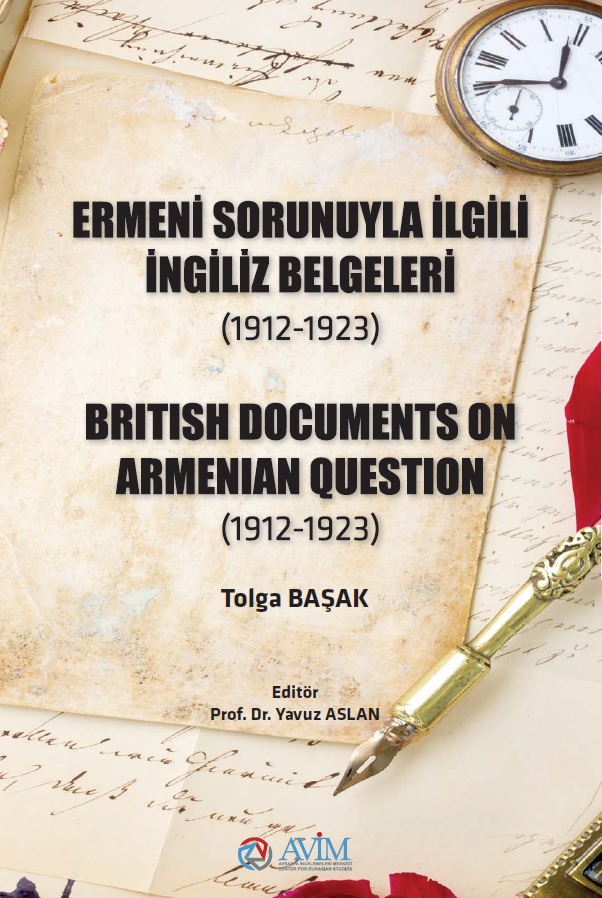
Ermeni Sorunuyla İlgili İngiliz Belgeleri (1912-1923) - British Documents on Armenian Question (1912-1923) -
02.12.2016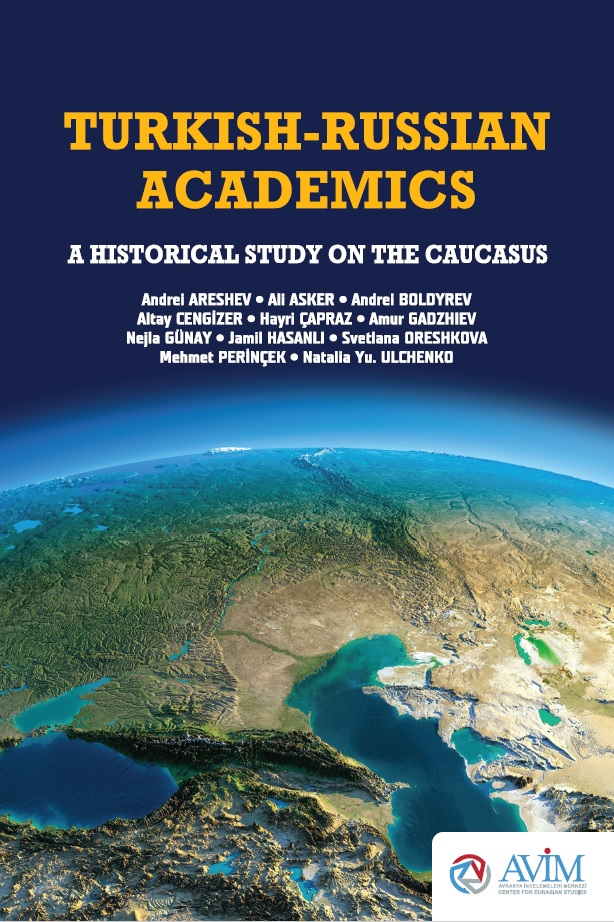
Turkish-Russian Academics: A Historical Study on the Caucasus -
01.07.2016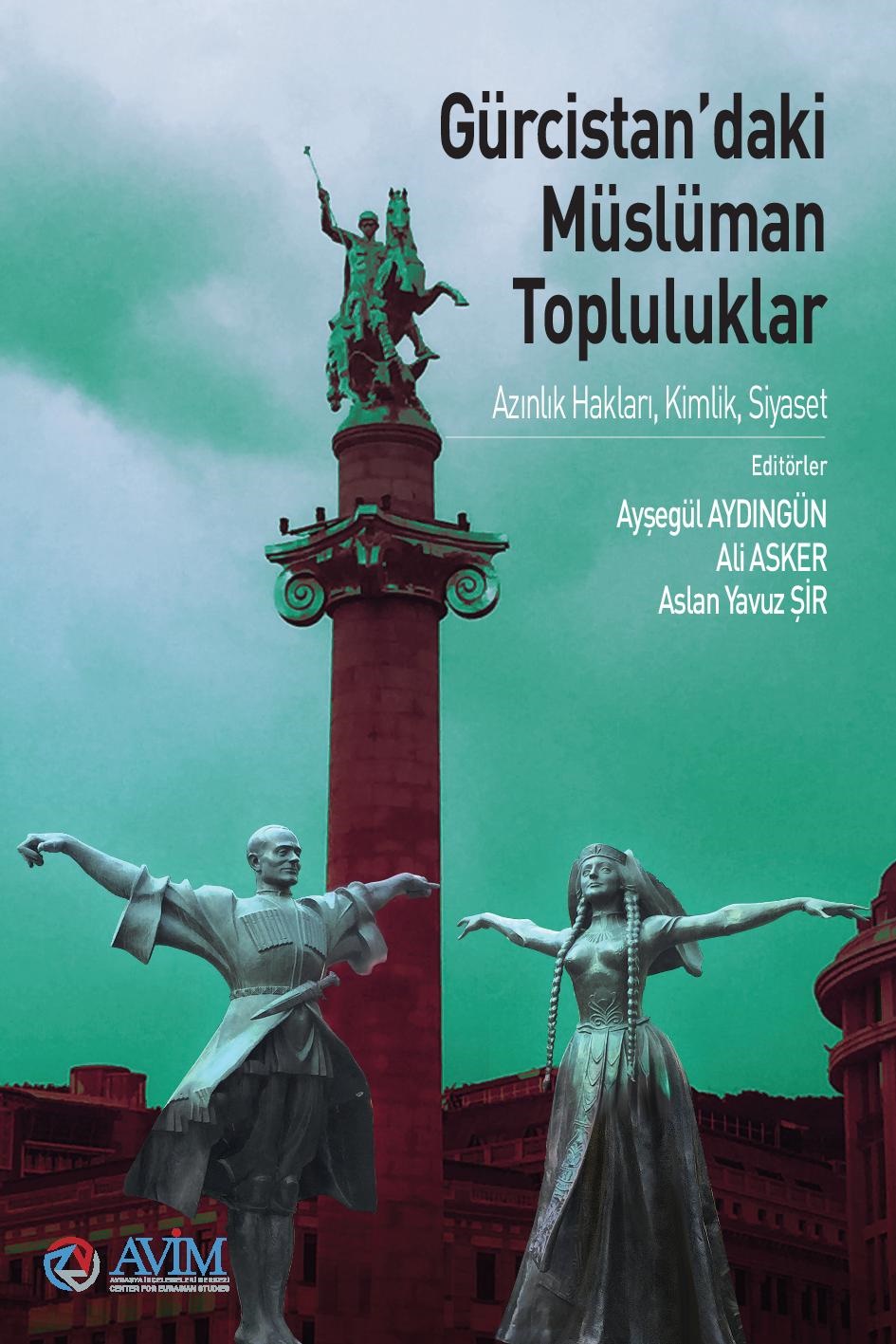
Gürcistan'daki Müslüman Topluluklar: Azınlık Hakları, Kimlik, Siyaset -
10.03.2016
Armenian Diaspora: Diaspora, State and the Imagination of the Republic of Armenia -
24.01.2016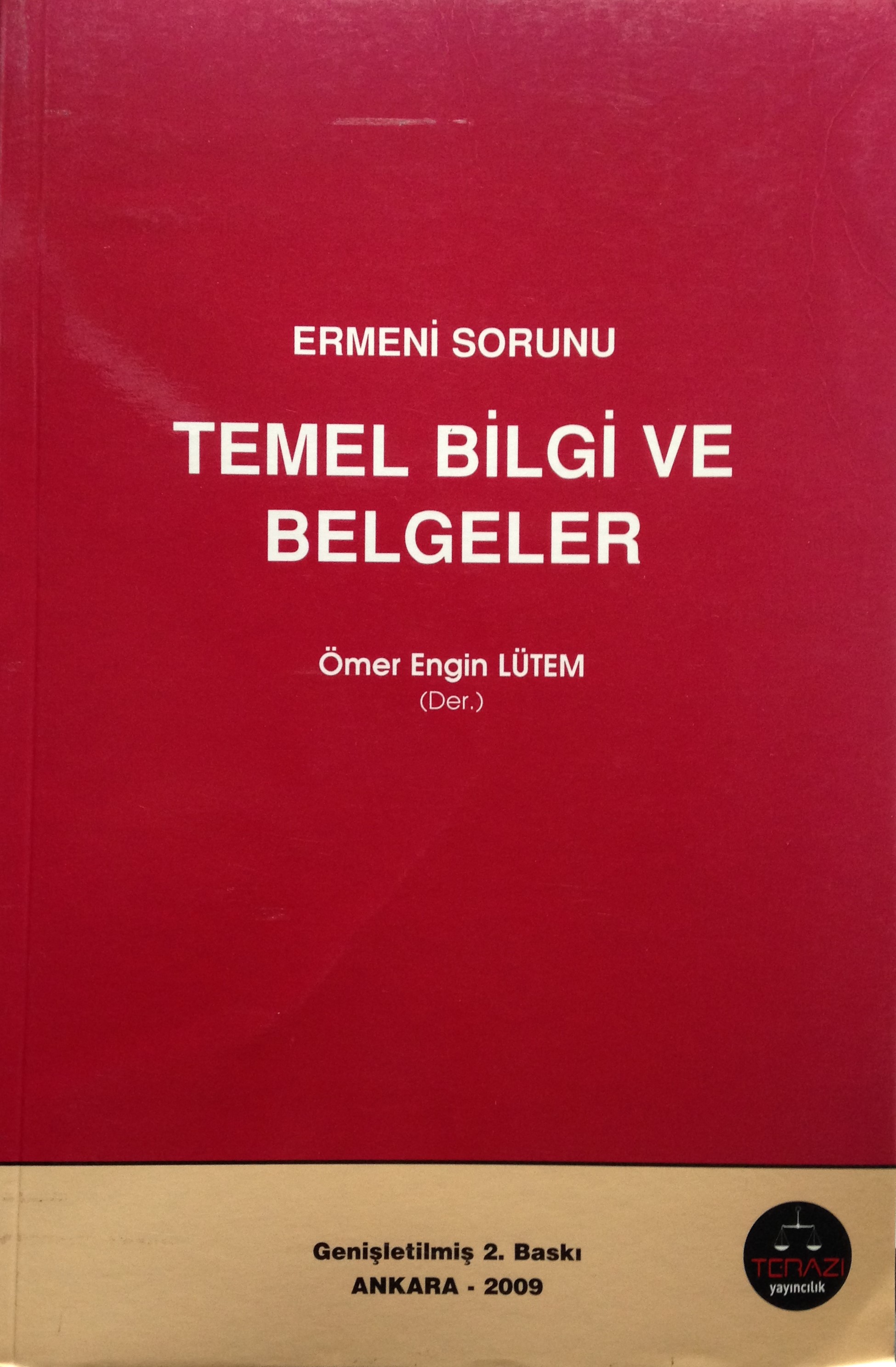
ERMENİ SORUNU - TEMEL BİLGİ VE BELGELER (2. BASKI)

-
AVİM Conference Hall 24.01.2023
CONFERENCE TITLED “HUNGARY’S PERSPECTIVES ON THE TURKIC WORLD"