














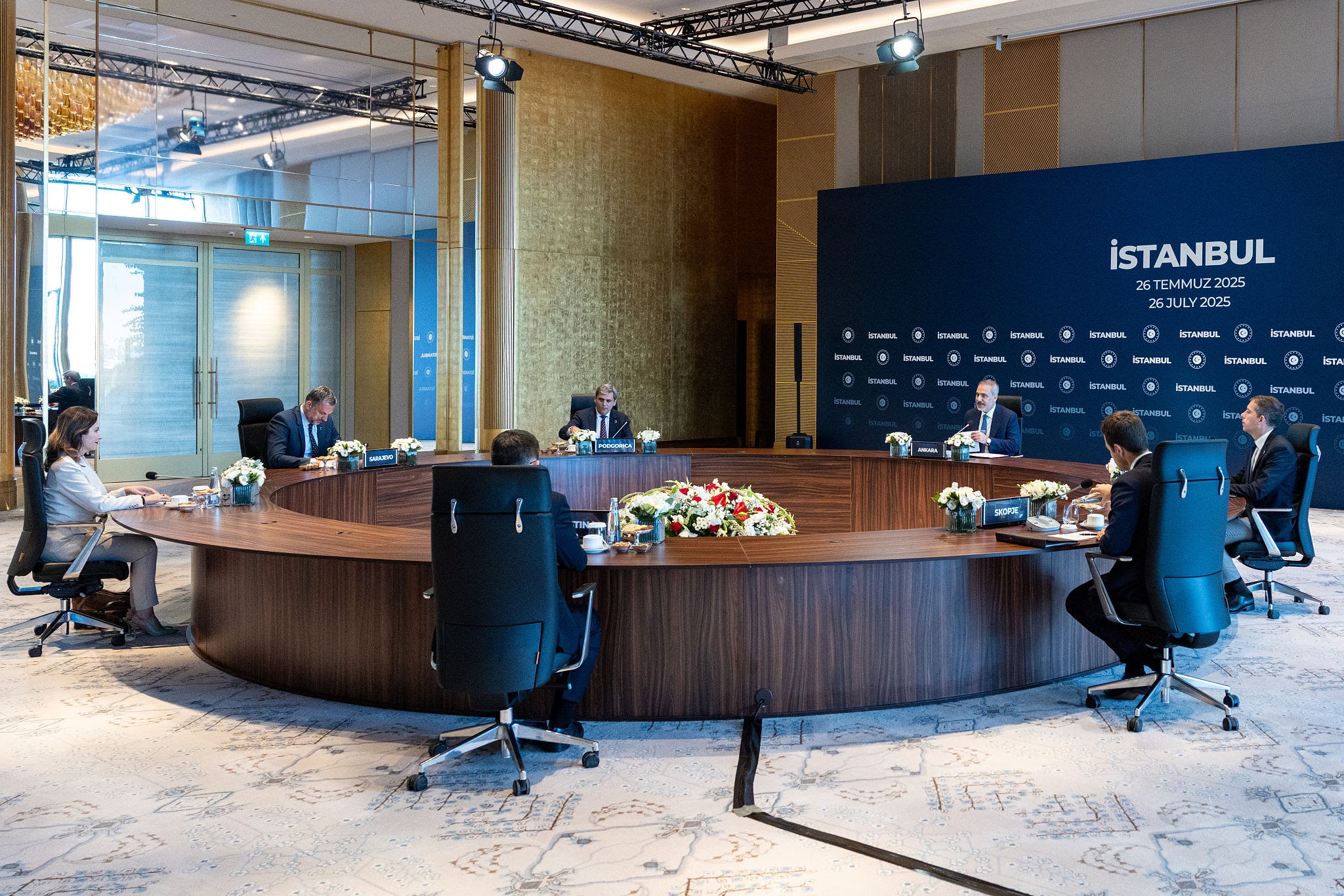
As the accession process of Türkiye to the European Union was stalled, the Balkans were repeatedly reframed through politicized labels such as “Western Balkans,” which tended to fragment the region conceptually and to cast some actors, including Türkiye, as partial outsiders rather than integral parts of the Balkan order. AVİM and Turkish diplomacy have consistently resisted this approach by emphasizing regionally owned cooperation frameworks, above all the South-East European Cooperation Process (SEECP), and by underlining that Türkiye is a Balkan and Black Sea country whose stability and security are inseparable from those of its neighbors. Türkiye treats the Balkans with the same seriousness and sense of responsibility that it brings to the Black Sea, where the Montreux Convention anchors a carefully balanced legal order, and AVİM’s work has reflected this dual commitment.[1] This long-term insistence on legal continuity, regional ownership, and cooperative security has helped protect the Balkans from being reduced once again to a field of external experimentation, and it forms the backdrop to the following message addressed to Western European audiences.
Implications for Western Europe
Over the past three decades, the Balkans have undergone a significant transformation from a region associated with conflict and external interference to one of regionally owned cooperation mechanisms. The South-East European Cooperation Process and related frameworks show that actors from within the region can design and sustain mechanisms for dialogue, confidence-building, and practical cooperation without constant external guardianship. This evolution is fragile, but it has created a degree of predictability and mutual restraint that should not be lightly put at risk.
For Western European states, the temptation remains to treat the Balkans primarily as a periphery to be managed through ever finer political labels or selective conditionality. Such approaches not only reopen old sensitivities but also overlook the deeper strategic shifts that Europe must confront. The principal systemic challenge to Europe’s autonomy and cohesion in the coming decades is unlikely to come from a Türkiye that insists on its rightful place as a Balkan and Black Sea power.
On the contrary, destabilizing a region where cooperative practices have finally taken root, or marginalizing a key regional actor like Türkiye, is a risk that Europe can scarcely afford for a reason which is historically the soft belly of Europe.
A Europe that is serious about its long-term security will treat the Balkans as a zone of shared responsibility and Türkiye as a partner in managing wider Eurasian risks, rather than as a problem to be managed on the margins.
*Photo: DHA
[1] Teoman Ertuğrul Tulun. Türkiye Is The Guardıan Of The Montreux Conventıon Regardıng The Regıme Of The Straıts And The Backbone Of Securıty And Stabılıty In The Black Sea. Commentary No: 2026/24. 03.04.2026. https://avim.org.tr/en/Yorum/TURKIYE-IS-THE-GUARDIAN-OF-THE-MONTREUX-CONVENTION-REGARDING-THE-REGIME-OF-THE-STRAITS-AND-THE-BACKBONE-OF-SECURITY-AND-STABILITY-IN-THE-BLACK-SEA
© 2009-2025 Center for Eurasian Studies (AVİM) All Rights Reserved
No comments yet.
-
 MONTREUX, CONSTRUCTIVE EURASIANISM, AND BLACK SEA STABILITY: REASSESSING TÜRKİYE’S STRAITS REGIME ON ITS 90TH ANNIVERSARY
Teoman Ertuğrul TULUN 22.07.2026 -
 EURASIAN DEMOGRAPHY’S TURNING POINT: WHY TURKIC STATES MUST LEAD ON ELDERLY RIGHTS
Teoman Ertuğrul TULUN 21.11.2025 -
 NSU CASE COVERED UP AND LEGALLY CLOSED: IS IT POSSIBLE TO AVOID SOCIAL AND POLITICAL REPERCUSSIONS?
Teoman Ertuğrul TULUN 20.12.2021 -
 BIASED INITIATIVES BY THE EUROPEAN ACTORS FOR NAGORNO KARABAKH
Teoman Ertuğrul TULUN 28.03.2018 -
 WORRYING RISE IN ANTI-MUSLIM RACIST DISCOURSE IN INDIA
Teoman Ertuğrul TULUN 29.11.2022
-
 THE LAST ACT IN THE DUEL BETWEEN JAMANAK AND AGOS
AVİM 17.05.2018 -
 IS FRANCE A RELIABLE ALLY?
Hazel ÇAĞAN ELBİR 28.12.2018 -
 CAN SREBRENICA GENOCIDE BE COMPARED TO THE EVENTS OF 1915 WITHIN THE SCOPE OF FREEDOM OF EXPRESSION?
AVİM 16.12.2019 -
ENTICEMENT TO TERRORISM
Alev KILIÇ 01.08.2013 -
 THE ‘ARMENIAN QUESTION’ IN UKRAINE - II: THE ADVOCATES OF THE ‘ARMENIAN CAUSE’ IN UKRAINE
Turgut Kerem TUNCEL 10.05.2021
-
25.01.2016
THE ARMENIAN QUESTION - BASIC KNOWLEDGE AND DOCUMENTATION -
12.06.2024
THE TRUTH WILL OUT -
27.03.2023
RADİKAL ERMENİ UNSURLARCA GERÇEKLEŞTİRİLEN MEZALİMLER VE VANDALİZM -
17.03.2023
PATRIOTISM PERVERTED -
23.02.2023
MEN ARE LIKE THAT -
03.02.2023
BAKÜ-TİFLİS-CEYHAN BORU HATTININ YAŞANAN TARİHİ -
16.12.2022
INTERNATIONAL SCHOLARS ON THE EVENTS OF 1915 -
07.12.2022
FAKE PHOTOS AND THE ARMENIAN PROPAGANDA -
07.12.2022
ERMENİ PROPAGANDASI VE SAHTE RESİMLER -
01.01.2022
A Letter From Japan - Strategically Mum: The Silence of the Armenians -
01.01.2022
Japonya'dan Bir Mektup - Stratejik Suskunluk: Ermenilerin Sessizliği -
03.06.2020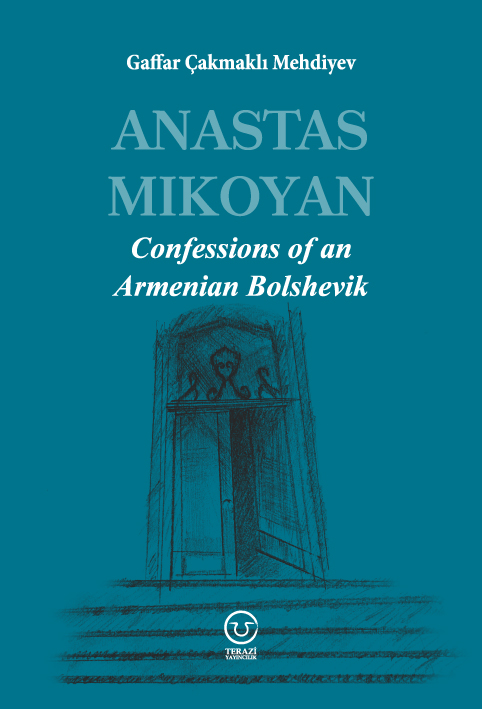
Anastas Mikoyan: Confessions of an Armenian Bolshevik -
08.04.2020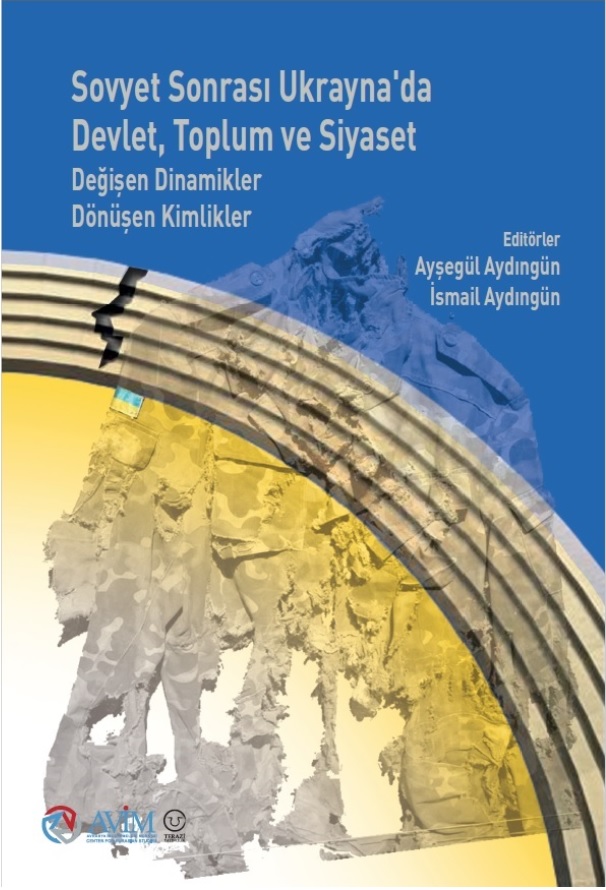
Sovyet Sonrası Ukrayna’da Devlet, Toplum ve Siyaset - Değişen Dinamikler, Dönüşen Kimlikler -
12.06.2018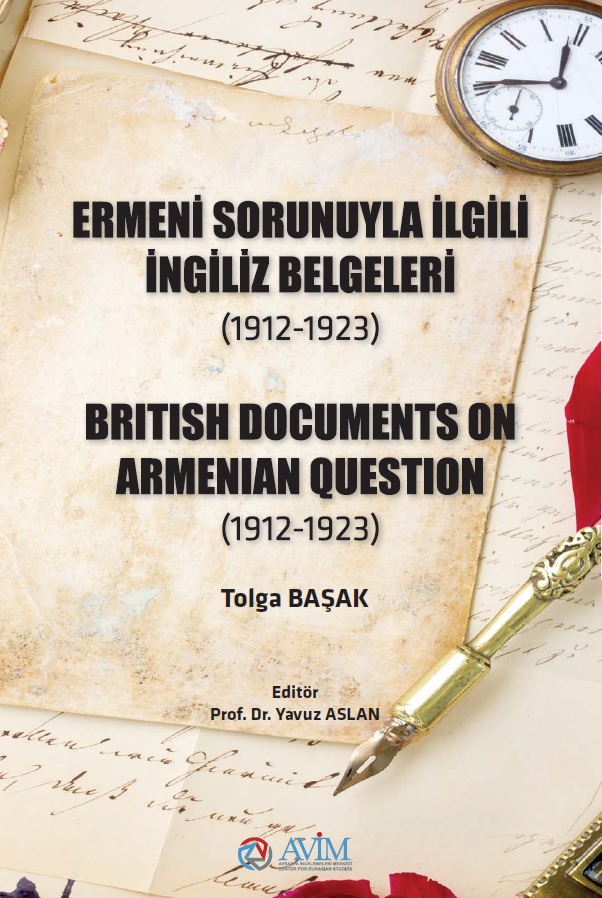
Ermeni Sorunuyla İlgili İngiliz Belgeleri (1912-1923) - British Documents on Armenian Question (1912-1923) -
02.12.2016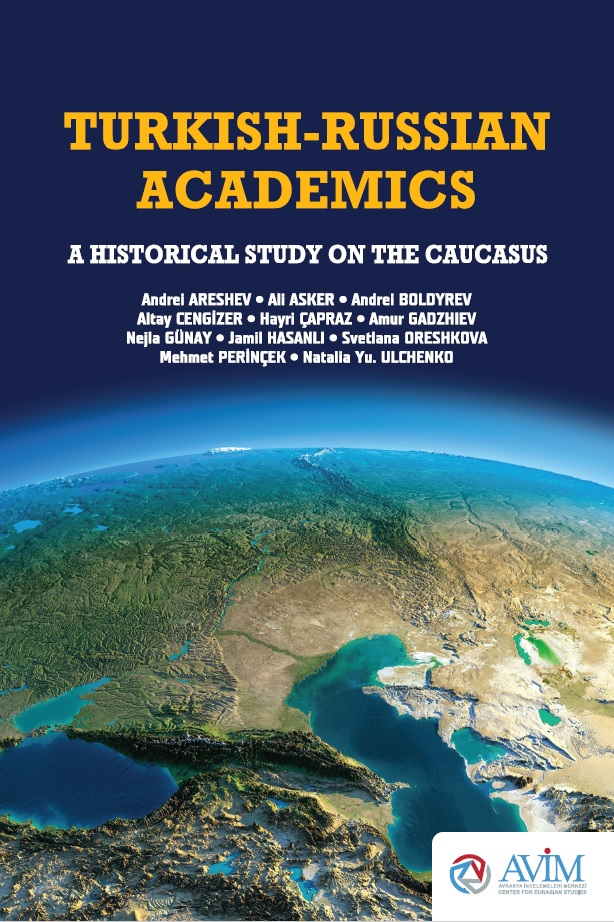
Turkish-Russian Academics: A Historical Study on the Caucasus -
01.07.2016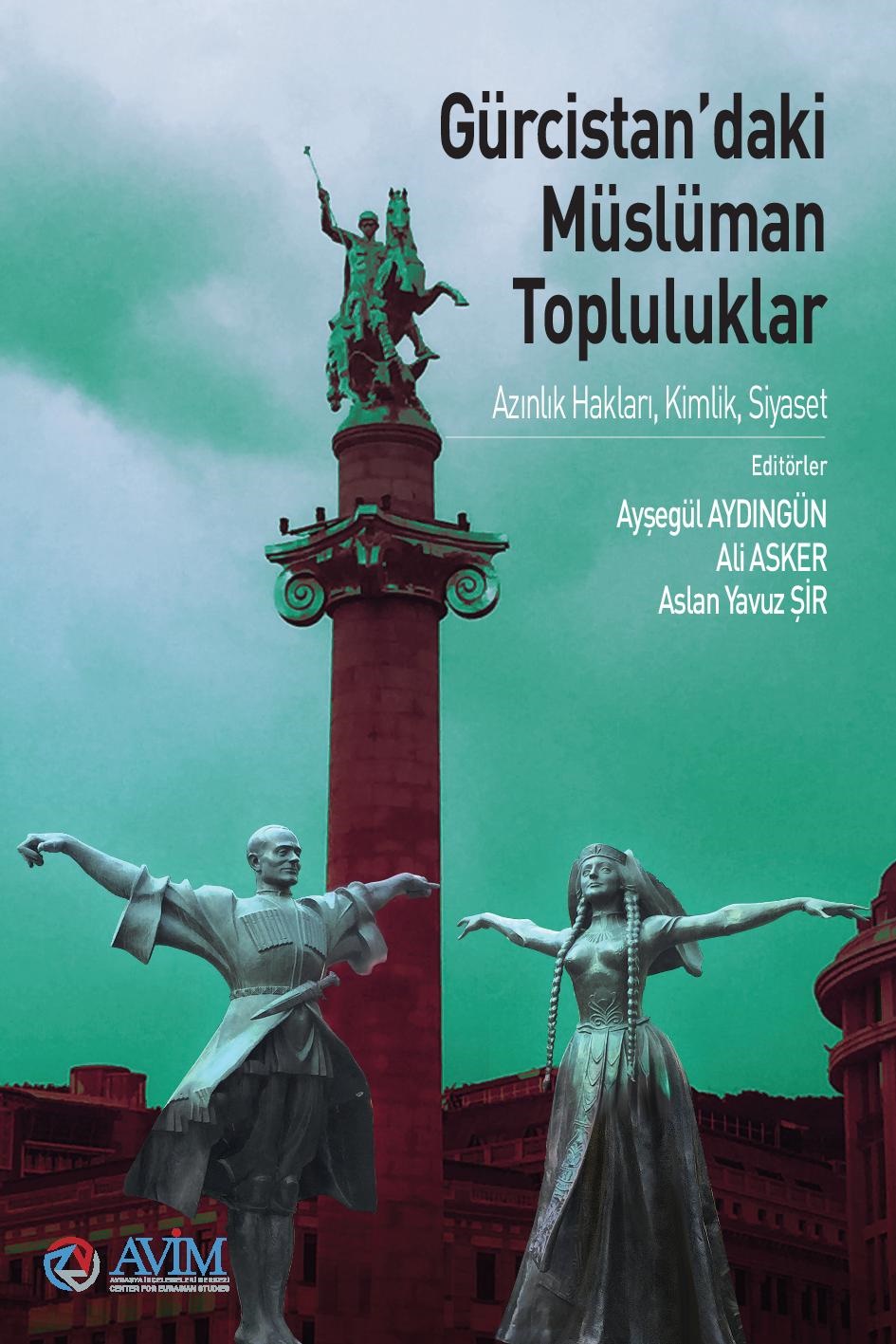
Gürcistan'daki Müslüman Topluluklar: Azınlık Hakları, Kimlik, Siyaset -
10.03.2016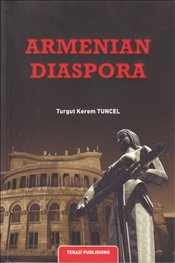
Armenian Diaspora: Diaspora, State and the Imagination of the Republic of Armenia -
24.01.2016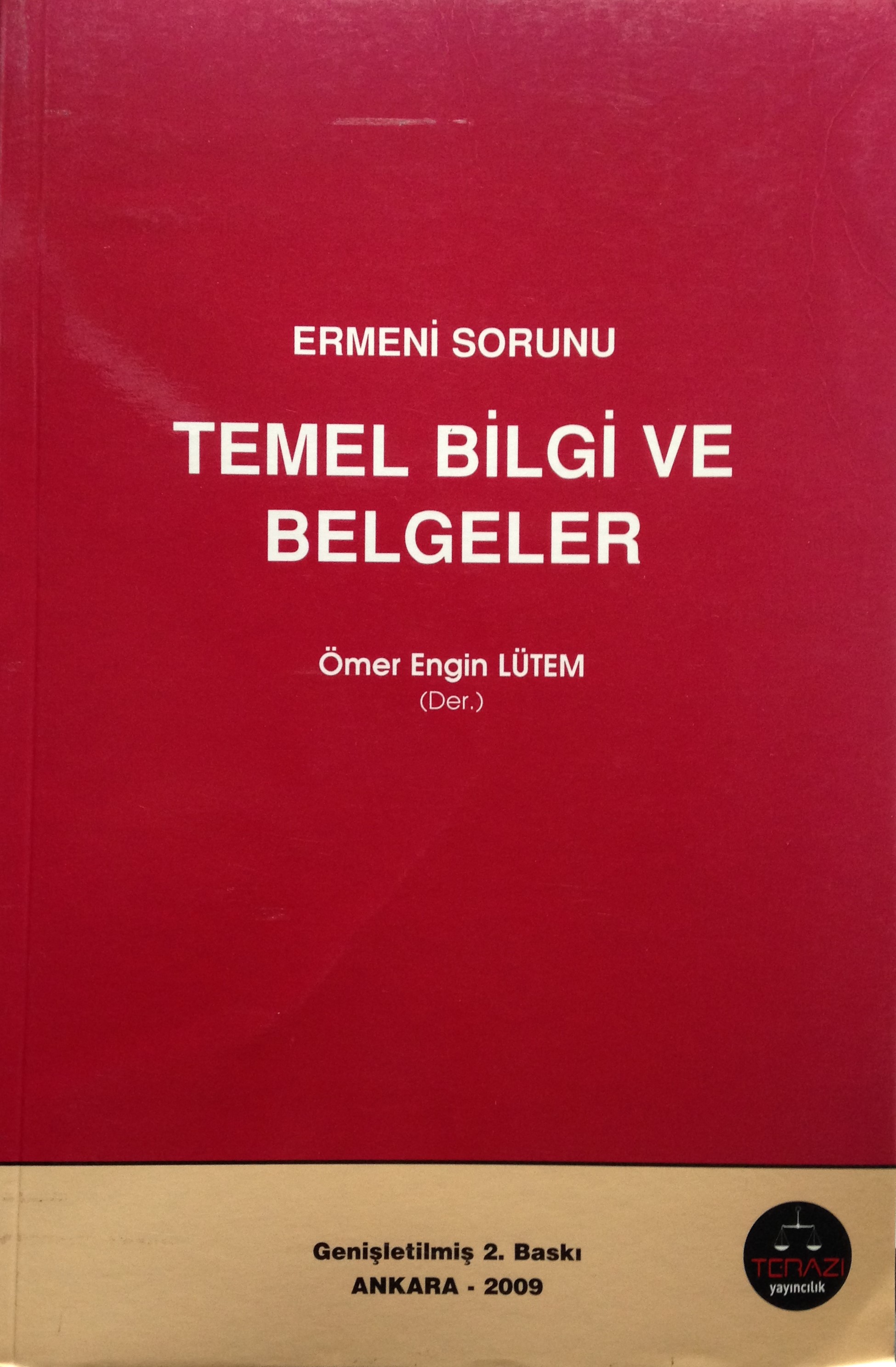
ERMENİ SORUNU - TEMEL BİLGİ VE BELGELER (2. BASKI)
-
AVİM Conference Hall 24.01.2023
CONFERENCE TITLED “HUNGARY’S PERSPECTIVES ON THE TURKIC WORLD"