














This is the English translation of a Turkish language article that was originally published by AVİM on 6 August 2026.
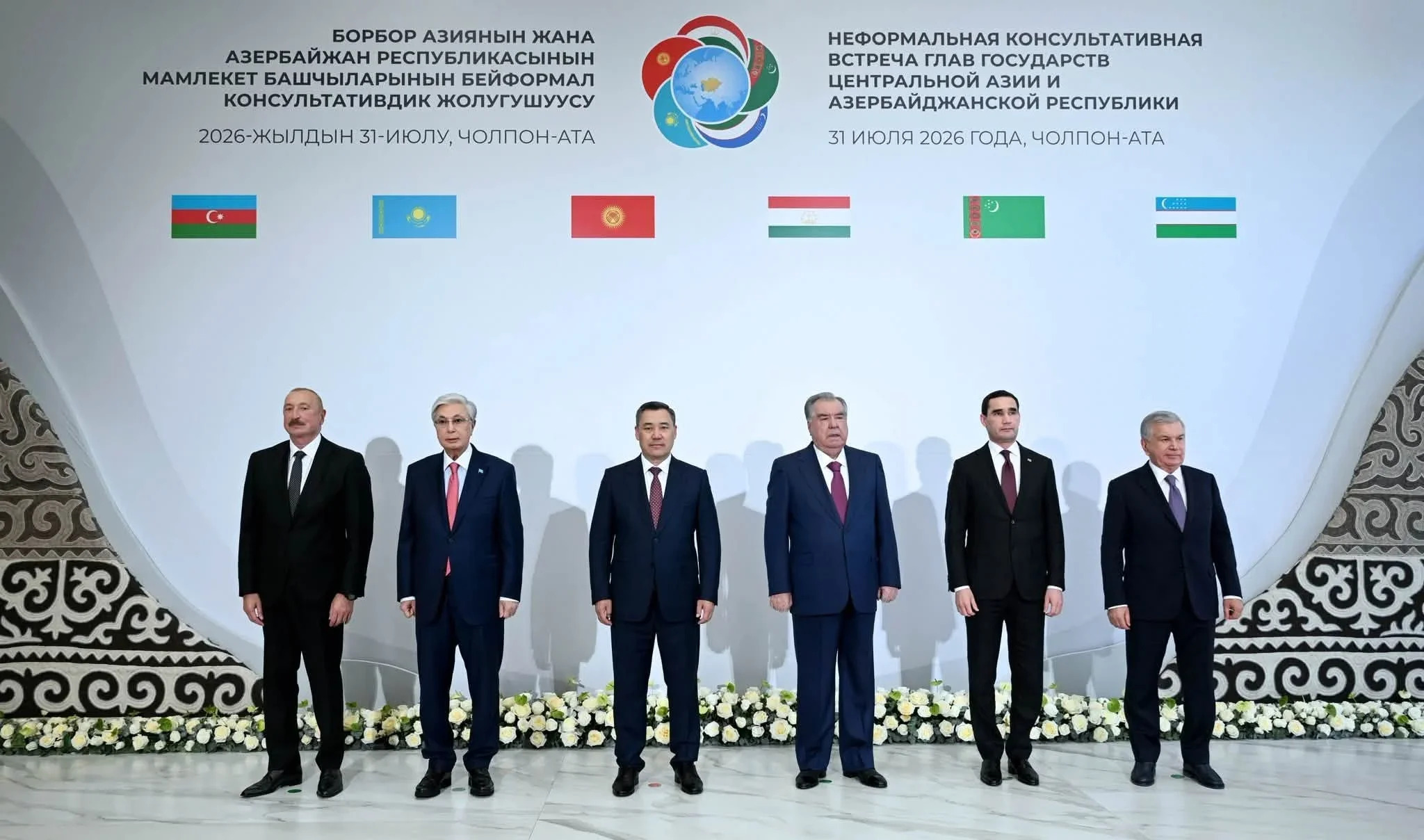
The presidents of Kazakhstan, Kyrgyzstan, Uzbekistan, Tajikistan, Turkmenistan, and Azerbaijan met in Cholpon-Ata, Kyrgyzstan to hold the Informal Consultative Meeting of the Heads of State of Central Asian Countries and Azerbaijan on 31 July 2026. The summit addressed a wide range of topics including the economy, transportation, energy, security, border management, investment, digital transformation, and education. The most notable aspect of the meeting was Azerbaijan’s formal inclusion as a permanent and institutional partner within the Consultative Meeting of the Heads of State of Central Asia. Thus, the cooperation conducted in the “C5” format for many years has transformed into the “C6” format.
Consultative meetings organized regularly since 2018 have aimed to foster political dialogue and regional coordination among Central Asian states. Azerbaijan’s invitation to the seventh meeting, held in Uzbekistan in November 2025, marked the first significant step in this process. At that meeting, it was decided that the platform would continue under the name “Consultative Meeting of the Heads of State of Central Asia and Azerbaijan”[1]. The Cholpon-Ata summit holds particular significance as the first meeting at which this decision was implemented.
Azerbaijan’s permanent inclusion in the mechanism does not simply mean an increase in the number of participants. This development demonstrates that the political, economic, and transportation axis linking the Caspian Basin and Central Asia has taken on a more institutionalized structure. Thus, while Azerbaijan gains a strategic bridging role between the South Caucasus and Central Asia, the integration process of the Turkic world has also entered a new phase.
The bilateral meetings held as part of the summit were among the concrete demonstrations of this transformation. Cooperation agreements were signed between Kyrgyzstan and Azerbaijan in many areas such as energy, transportation, cybersecurity, education, financial market regulation, and the circulation of precious metals. While the parties reached an agreement on developing economic relations, increasing mutual investments and supporting joint projects, three joint projects were launched under the Azerbaijan-Kyrgyzstan Development Fund and it was decided to initiate eight new projects. These developments demonstrate that relations between the two countries have deepened not only at the political level but also in economic and institutional spheres.[2]
Another notable development at the summit was the progress made in the normalization process between Kyrgyzstan and Uzbekistan in recent years. The resolution of border disputes, which had caused various tensions between the two countries for many years, and the demarcation of borders by mutual agreement are considered important achievements for regional stability. The fact that cooperation and a shared vision for development now take priority in border regions that were once the scene of ethnic tensions demonstrate that the Central Asian states have begun to build a new regional order based on trust.[3] [ÖÖ2] In addition, key agreements aimed at institutionalizing cooperation between Kyrgyzstan and Uzbekistan in the political, economic, commercial, investment, cultural and humanitarian spheres have been signed. The Alliance Agreement signed between Kyrgyzstan and Uzbekistan, in particular, highlights the elevation of bilateral relations to the level of a strategic partnership.
At the summit, the president of Kyrgyzstan thanked the platform members for the support of their initiatives at the United Nations[4] and expressed a common will to continue cooperation in the fields of combating climate change, improving transport corridors, energy security, digital transformation and artificial intelligence. Agreement on the development of new joint projects in these areas demonstrates that regional cooperation is taking on an ever broader and more multidimensional quality.
The China-Kyrgyzstan-Uzbekistan Railway Project was one of the meeting’s notable economic topics. With the potential to reshape the region’s geopolitical and geoeconomic balances, this project aims to transform Central Asia from merely a regional transit area into one of the key hubs of global transportation networks linking Asia and Europe. With the completion of the railway, Central Asia’s strategic importance in international trade corridors is expected to increase further.
With the Cholpon-Ata Declaration adopted at the conclusion of the summit, a shared commitment was expressed to develop transportation corridors, deepen cooperation in the energy sector, strengthen regional security, support digital transformation, jointly address environmental challenges, and enhance economic integration. Furthermore, the decision to hold the next Informal Consultative Meeting in the city of Turkistan demonstrates that the shared historical and cultural heritage of the Turkic world continues to be valued alongside political and economic cooperation.
The Cholpon-Ata Summit stands out as a concrete demonstration of the political, economic and strategic cooperation that has strengthened among Turkic states in recent years. Azerbaijan’s participation in the process as an institutional partner demonstrates that a more institutionalized integration process has begun between Central Asia and the South Caucasus and that political, cultural, economic and transportation-based integration within the Turkic world has reached an advanced stage.
*Picture: Kabar
[1] Orta Asya Devlet Başkanları 7. İstişare Toplantısı Özbekistan'da yapıldı, Anadolu Agency, August 4, 2026, https://www.aa.com.tr/tr/dunya/orta-asya-devlet-baskanlari-7-istisare-toplantisi-ozbekistanda-yapildi/3745133
[2] Azərbaycan və Qırğızıstan prezidentləri mətbuata bəyanatlarla çıxış ediblər, Azertag, August 4, 2026, https://azertag.az/xeber/azerbaycan_ve_qirgizistan_prezidentleri_metbuata_beyanatlarla_chixis_edibler__yenilenib__video-4345833
[3] “Kırgızistan ve Özbekistan ilişkilerinde tarihi bir dönüm noktası yaşanıyor,” TRT Avaz, July 30, 2026, https://www.trtavaz.com.tr/haber/tur/turkistandan/kirgizistan-ve-ozbekistan-iliskilerinde-tarihi-bir-donum-noktasi-yasaniyor/6a6b2655887386633f9ecb35
[4] “President Zhaparov: Cooperation in Central Asia reaches a qualitatively new level,” Kabar, July 31, 2026, https://en.kabar.kg/news/president-zhaparov-cooperation-in-central-asia-reaches-a-qualitatively-new-level/
© 2009-2025 Center for Eurasian Studies (AVİM) All Rights Reserved
No comments yet.
-
 THE INTEGRATION OF THE TURKIC WORLD AND ITS IMPLICATIONS FOR REGIONAL POWER DYNAMICS
İlaha KHANTAMİROVA 16.06.2026 -
 EU-ARMENIA COOPERATION AND CHANGING REGIONAL BALANCES IN THE SOUTH CAUCASUS
İlaha KHANTAMİROVA 24.07.2026 -
 OVERLAPPING INTERESTS IN THE SOUTH CAUCASUS: THE AZERBAIJAN, ISRAEL AND IRAN TRIANGLE
İlaha KHANTAMİROVA 29.05.2025 -
CHOLPON-ATA SUMMIT: NEW PERIOD IN AZERBAIJAN'S CENTRAL ASIA INTEGRATION
İlaha KHANTAMİROVA 31.08.2026 -
 THE MIGRATION OF ARMENIANS FROM KARABAKH AND THE CLAIMS OF A NEW “GENOCIDE”
İlaha KHANTAMİROVA 13.07.2026
-
 MEDDLING IN TURKISH-ARMENIAN RELATIONS: PROPOSED AMENDMENTS ON THE EUROPEAN PARLIAMENT RESOLUTION ON 2014 COMMISSION PROGRESS REPORT ON TURKEY
Mehmet Oğuzhan TULUN 03.05.2015 -
 THE RISE OF NATIONALISM IN EUROPE AND SOCIAL DEMOCRATS’ STRUGGLE FOR SURVIVAL
Hazel ÇAĞAN ELBİR 08.02.2017 -
CHOLPON-ATA SUMMIT: NEW PERIOD IN AZERBAIJAN'S CENTRAL ASIA INTEGRATION
İlaha KHANTAMİROVA 31.08.2026 -
 A MISNOMER: WESTERN BALKANS
Teoman Ertuğrul TULUN 10.07.2017 -
 TAIWAN ELECTION 2020: MORE AMBITIOUS TAIWANESE IDENTITY AND DEVELOPING CONSTRUCTIVE APPROACHES
Teoman Ertuğrul TULUN 10.02.2020
-
25.01.2016
THE ARMENIAN QUESTION - BASIC KNOWLEDGE AND DOCUMENTATION -
12.06.2024
THE TRUTH WILL OUT -
27.03.2023
RADİKAL ERMENİ UNSURLARCA GERÇEKLEŞTİRİLEN MEZALİMLER VE VANDALİZM -
17.03.2023
PATRIOTISM PERVERTED -
23.02.2023
MEN ARE LIKE THAT -
03.02.2023
BAKÜ-TİFLİS-CEYHAN BORU HATTININ YAŞANAN TARİHİ -
16.12.2022
INTERNATIONAL SCHOLARS ON THE EVENTS OF 1915 -
07.12.2022
FAKE PHOTOS AND THE ARMENIAN PROPAGANDA -
07.12.2022
ERMENİ PROPAGANDASI VE SAHTE RESİMLER -
01.01.2022
A Letter From Japan - Strategically Mum: The Silence of the Armenians -
01.01.2022
Japonya'dan Bir Mektup - Stratejik Suskunluk: Ermenilerin Sessizliği -
03.06.2020
Anastas Mikoyan: Confessions of an Armenian Bolshevik -
08.04.2020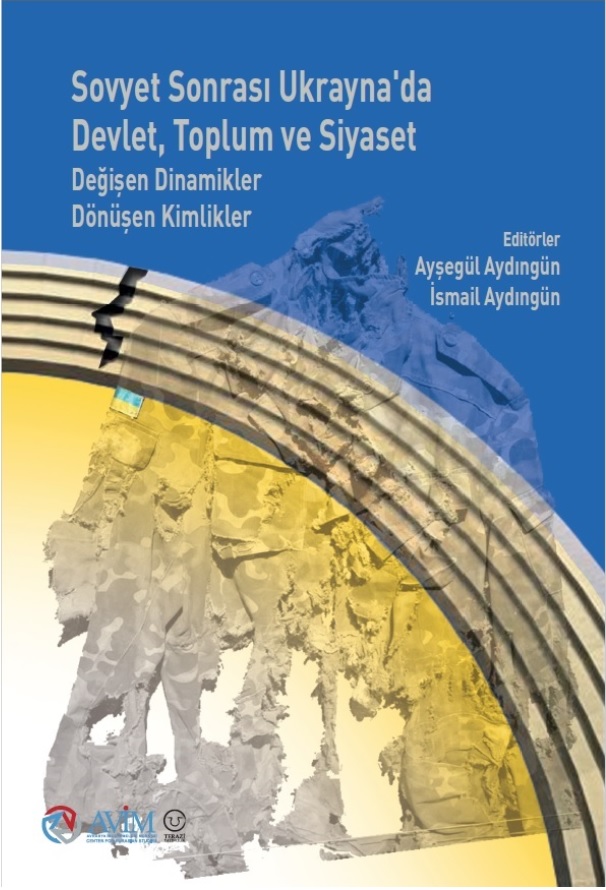
Sovyet Sonrası Ukrayna’da Devlet, Toplum ve Siyaset - Değişen Dinamikler, Dönüşen Kimlikler -
12.06.2018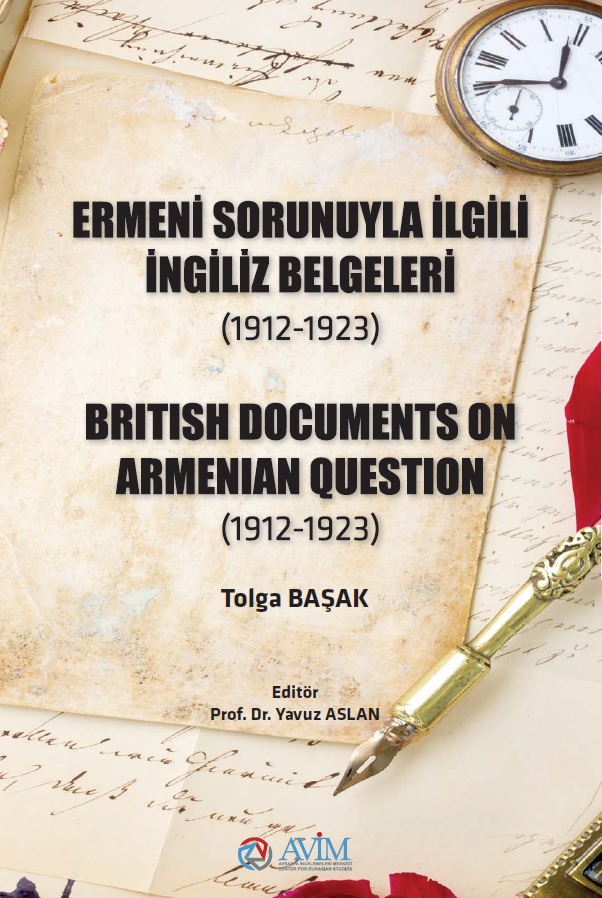
Ermeni Sorunuyla İlgili İngiliz Belgeleri (1912-1923) - British Documents on Armenian Question (1912-1923) -
02.12.2016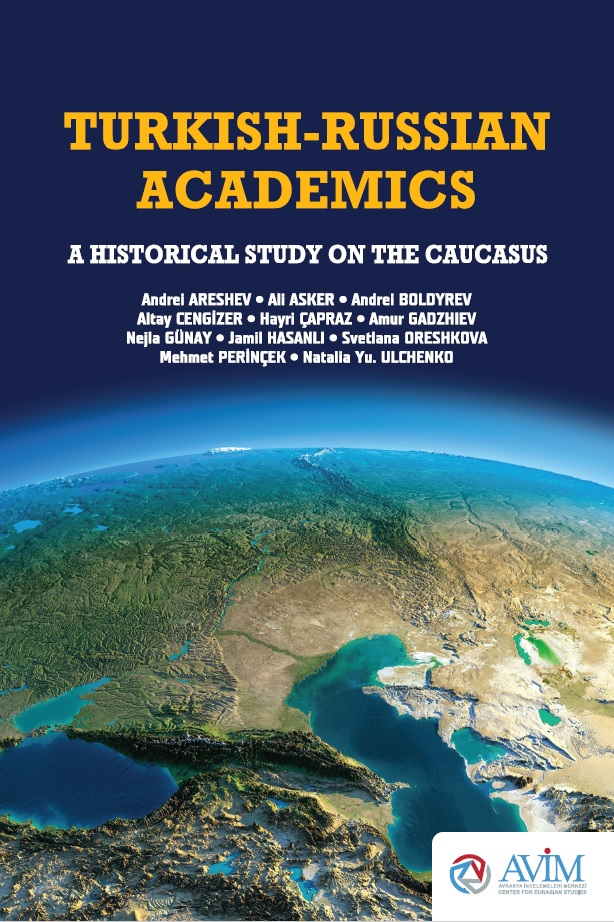
Turkish-Russian Academics: A Historical Study on the Caucasus -
01.07.2016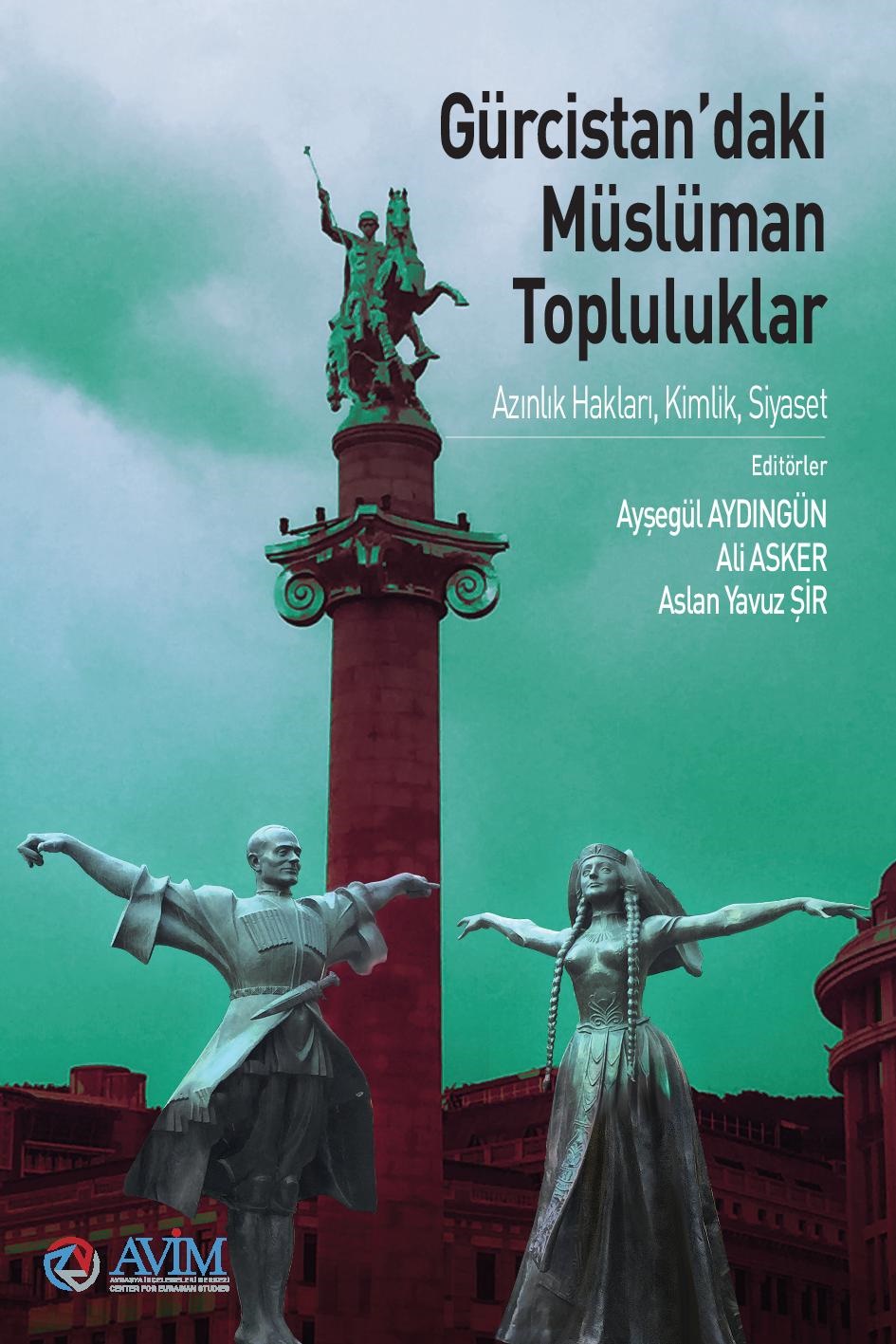
Gürcistan'daki Müslüman Topluluklar: Azınlık Hakları, Kimlik, Siyaset -
10.03.2016
Armenian Diaspora: Diaspora, State and the Imagination of the Republic of Armenia -
24.01.2016
ERMENİ SORUNU - TEMEL BİLGİ VE BELGELER (2. BASKI)
-
AVİM Conference Hall 24.01.2023
CONFERENCE TITLED “HUNGARY’S PERSPECTIVES ON THE TURKIC WORLD"