














In the post-Cold War period, the Arctic region had long been associated primarily with environmental issues, but from the mid-2020s onward it has transformed into an area marked by great-power competition. As climate change keeps sea routes open for longer periods and increases the likelihood of discovering rich natural resources such as minerals, gas, and oil, the region’s strategic importance has intensified and moved to the center of global politics. In this context, the growing interest and presence of multiple states, primarily the United States, Russia, and China, has turned the region into a new “security race.”[1]
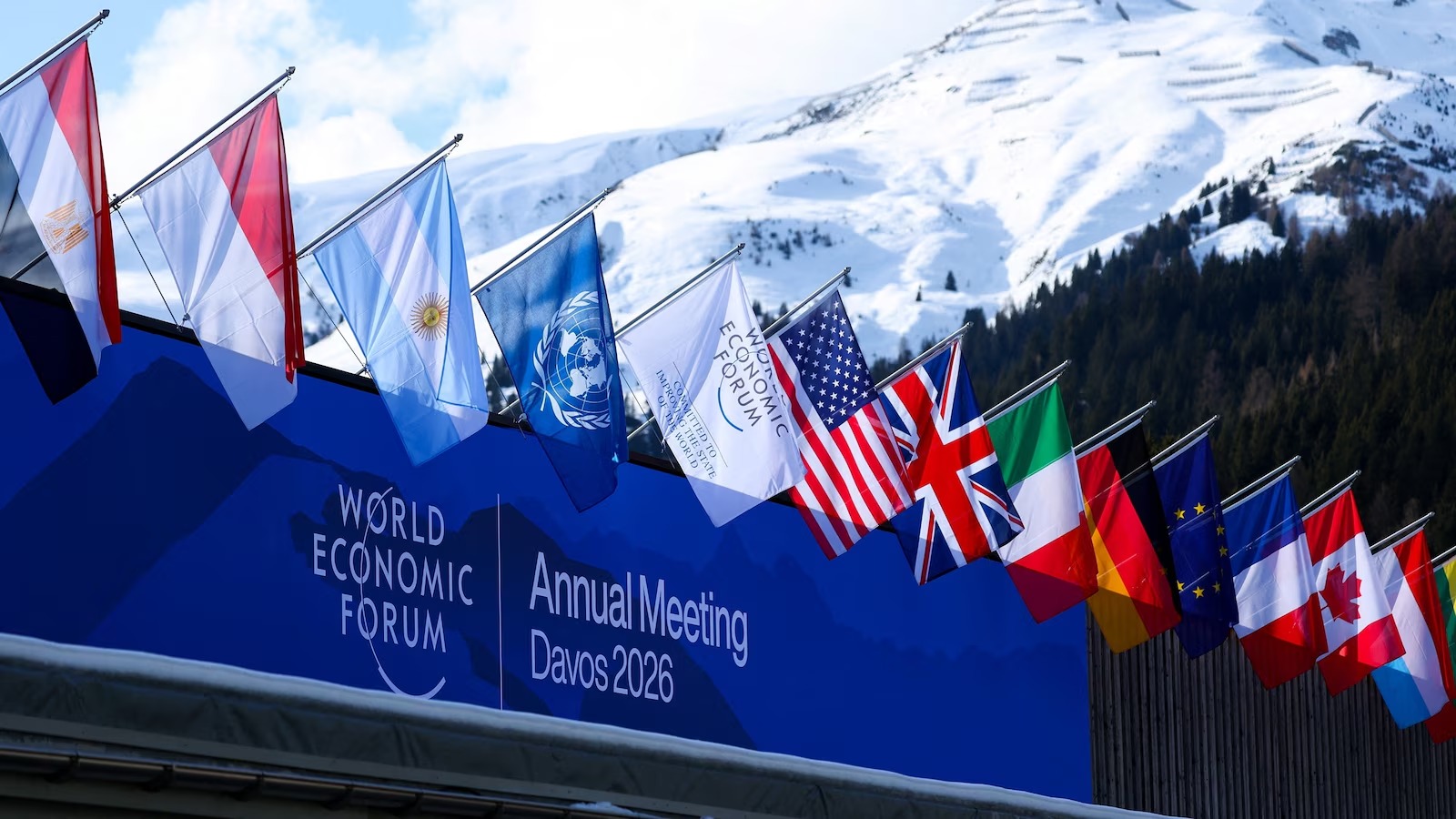
Trump’s statements at the World Economic Forum (WEF) held in Davos in January 2026 have transformed his long-standing strategic interest in Greenland into a concrete policy push and have become diplomatically contentious. For the United States, Russia’s increasing military presence in recent years and China’s expanding economic investments after declaring itself a “Near-Arctic State” have made Greenland’s strategic position even more significant.[2] Greenland is home to one of the critical sites within the U.S. ballistic missile early-warning network. Therefore, it is evident that Trump frames the region as an “extension of U.S. security,” and his recent remarks align with the “hard security” rhetoric prevalent in U.S. domestic politics. Washington’s Arctic policy is shaped by the Pentagon’s long-standing perception of a strategic gap in the region. Although Trump has attempted to fill this gap through harsh rhetoric and tariff threats, his approach has created diplomatic friction with Denmark, NATO, and regional actors. His latest remarks in Davos signal that he has pulled back from his earlier threats, emphasizing that he will not use military force in the Greenland issue and instead has agreed on a “framework agreement” under NATO.[3]
Overall, while long-standing great-power competition in the Arctic continues, the latest statements have given this dynamic a new momentum. The United States’ softer tone compared to earlier declarations suggests a shift toward a more diplomatic line that prioritizes cooperation with allies. However, Russia’s military buildup and China’s economic/technological influence strategy continue to turn the region into a multi-polar arena of competition.[4] Therefore, although Trump’s recent statements have temporarily lowered tensions, it is clear that the Arctic will witness a more sophisticated, multi-layered, and increasingly unpredictable power struggle in the coming years. While the United States’ efforts to enhance coordination with its allies provide an advantage in this complex competitive environment, the strategic pressure in the region is unlikely to decrease in the medium term.
*Picure: ABC News
[1] https://www.militarytimes.com/news/pentagon-congress/2026/01/06/why-trump-is-claiming-the-us-needs-greenland-for-arctic-security/
© 2009-2025 Center for Eurasian Studies (AVİM) All Rights Reserved
No comments yet.
-
 SECURITY IN THE TURKISH STRAITS AND THE BLACK SEA
Özge Emine ÖZÇELİK 08.04.2026 -
 THE PEACE WATER PIPELINE PROJECT CAN BE UPDATED THROUGH EXPANSION
Özge Emine ÖZÇELİK 04.05.2026 -
 ORGANIZATION OF TURKIC STATES: THE INSTITUTIONALIZATION OF THE TURKIC WORLD
Özge Emine ÖZÇELİK 16.06.2026 -
CHANGING ARCTIC AGENDA AT THE DAVOS SUMMIT
Özge Emine ÖZÇELİK 28.01.2026
-
 SWITZERLAND'S BIASED STANCE AND ITS HARMFUL EFFECTS ON PEACE EFFORTS
Selenay Erva YALÇIN 26.06.2025 -
 PROTESTS AND POLITICAL CRISIS IN KAZAKHSTAN
Gülperi GÜNGÖR 11.02.2022 -
 THE WITHDRAWAL OF THE PROTOCOLS FROM THE ARMENIAN PARLIAMENT
Ömer Engin LÜTEM 17.02.2015 -
 NEW ARTICLE ON SULTAN ABDULHAMID II’S OUTLOOK ON THE ARMENIAN QUESTION
Ahmet Can ÖKTEM 22.05.2025 -
 WATS AND THE TEFLON LINING TO WHICH NOTHING STICKS
AVİM 20.09.2017
-
25.01.2016
THE ARMENIAN QUESTION - BASIC KNOWLEDGE AND DOCUMENTATION -
12.06.2024
THE TRUTH WILL OUT -
27.03.2023
RADİKAL ERMENİ UNSURLARCA GERÇEKLEŞTİRİLEN MEZALİMLER VE VANDALİZM -
17.03.2023
PATRIOTISM PERVERTED -
23.02.2023
MEN ARE LIKE THAT -
03.02.2023
BAKÜ-TİFLİS-CEYHAN BORU HATTININ YAŞANAN TARİHİ -
16.12.2022
INTERNATIONAL SCHOLARS ON THE EVENTS OF 1915 -
07.12.2022
FAKE PHOTOS AND THE ARMENIAN PROPAGANDA -
07.12.2022
ERMENİ PROPAGANDASI VE SAHTE RESİMLER -
01.01.2022
A Letter From Japan - Strategically Mum: The Silence of the Armenians -
01.01.2022
Japonya'dan Bir Mektup - Stratejik Suskunluk: Ermenilerin Sessizliği -
03.06.2020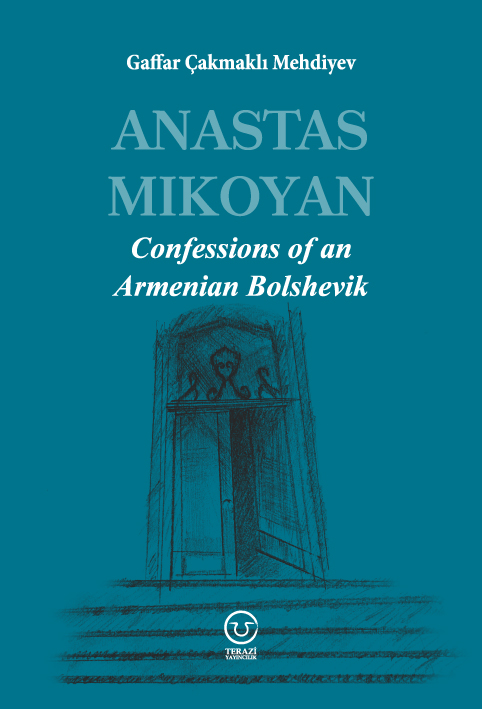
Anastas Mikoyan: Confessions of an Armenian Bolshevik -
08.04.2020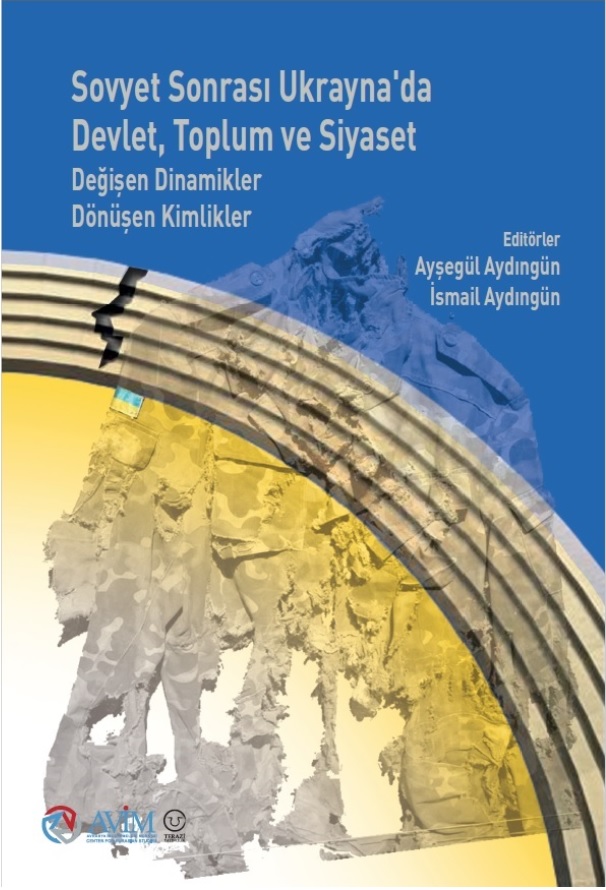
Sovyet Sonrası Ukrayna’da Devlet, Toplum ve Siyaset - Değişen Dinamikler, Dönüşen Kimlikler -
12.06.2018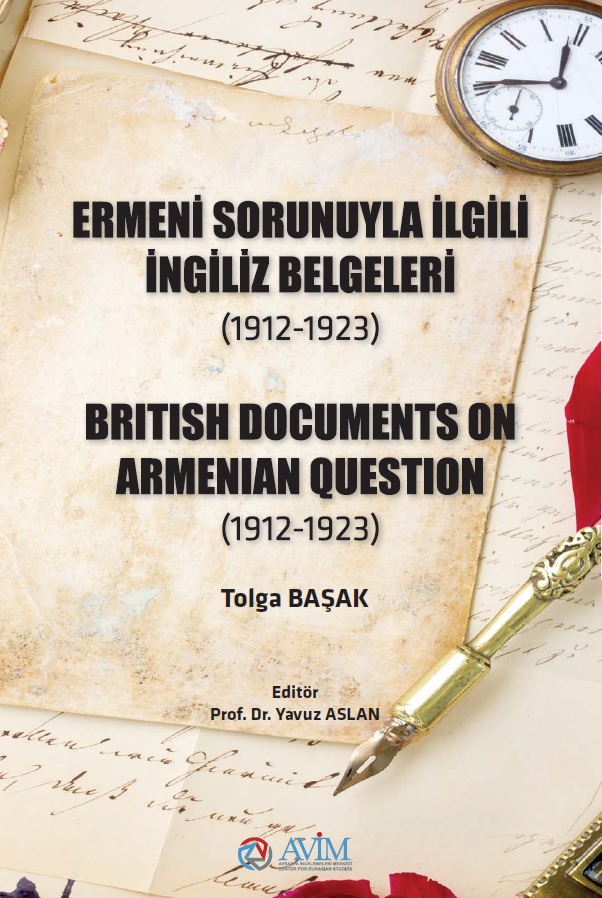
Ermeni Sorunuyla İlgili İngiliz Belgeleri (1912-1923) - British Documents on Armenian Question (1912-1923) -
02.12.2016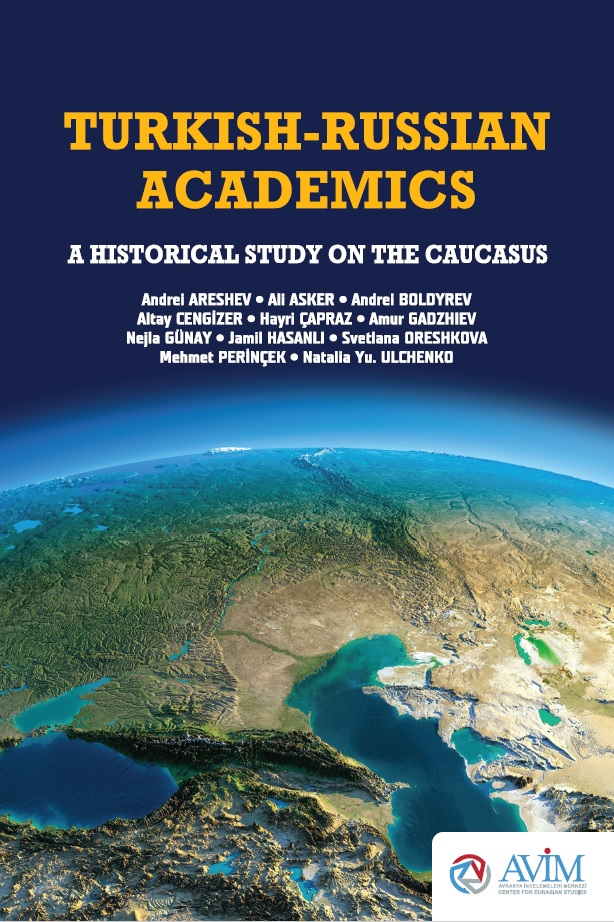
Turkish-Russian Academics: A Historical Study on the Caucasus -
01.07.2016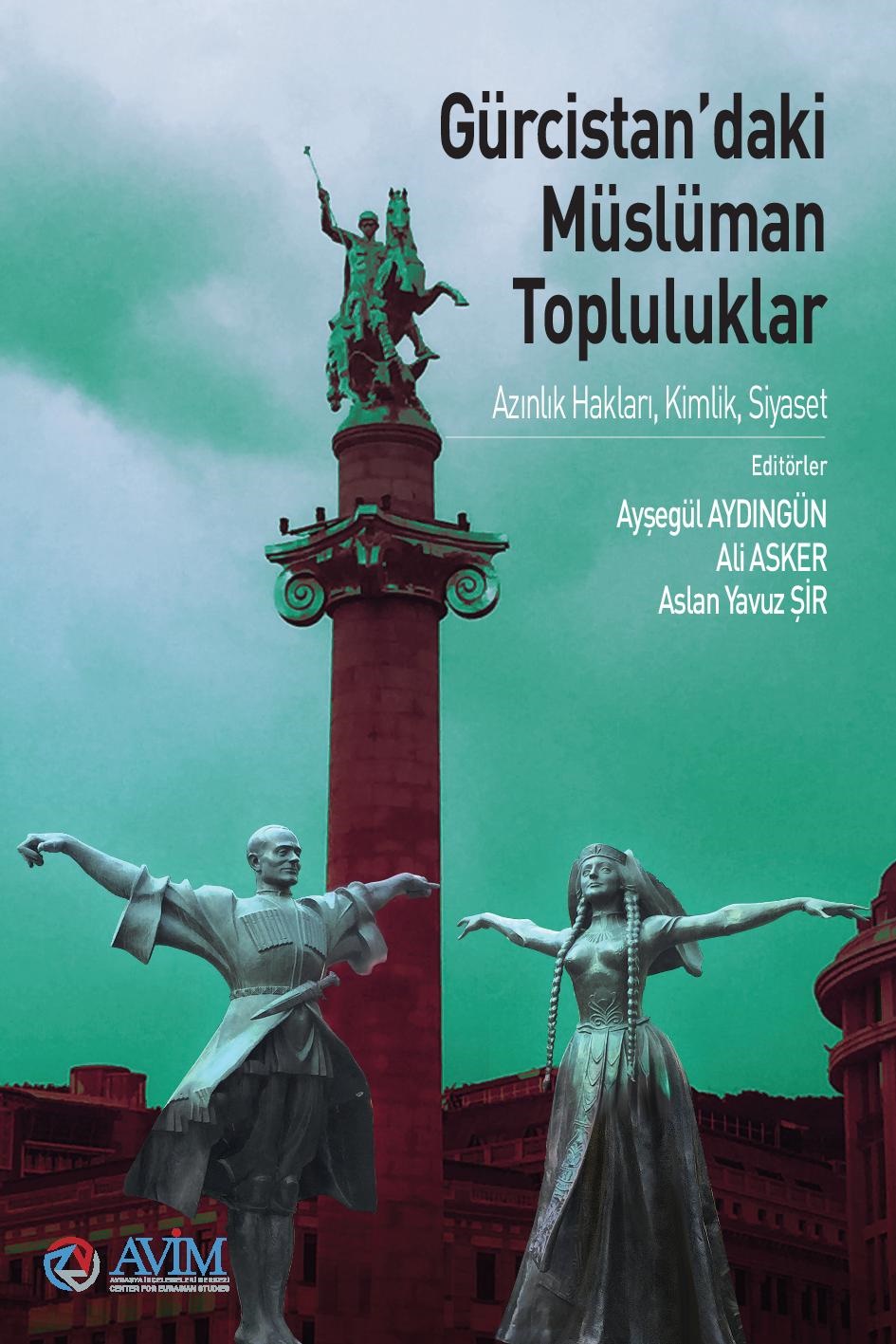
Gürcistan'daki Müslüman Topluluklar: Azınlık Hakları, Kimlik, Siyaset -
10.03.2016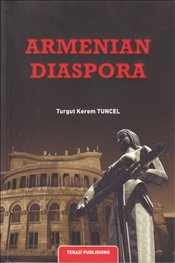
Armenian Diaspora: Diaspora, State and the Imagination of the Republic of Armenia -
24.01.2016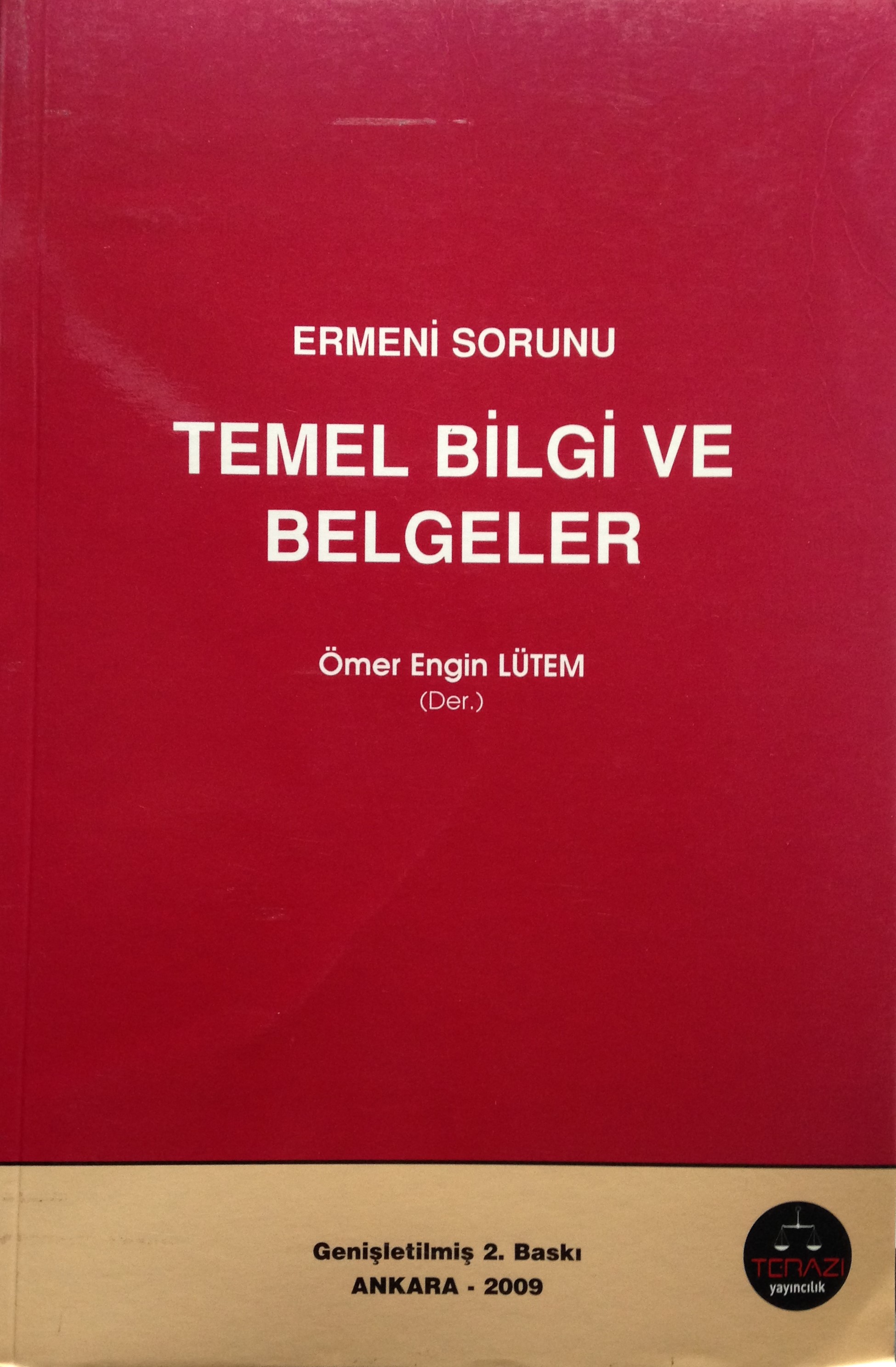
ERMENİ SORUNU - TEMEL BİLGİ VE BELGELER (2. BASKI)
-
AVİM Conference Hall 24.01.2023
CONFERENCE TITLED “HUNGARY’S PERSPECTIVES ON THE TURKIC WORLD"